

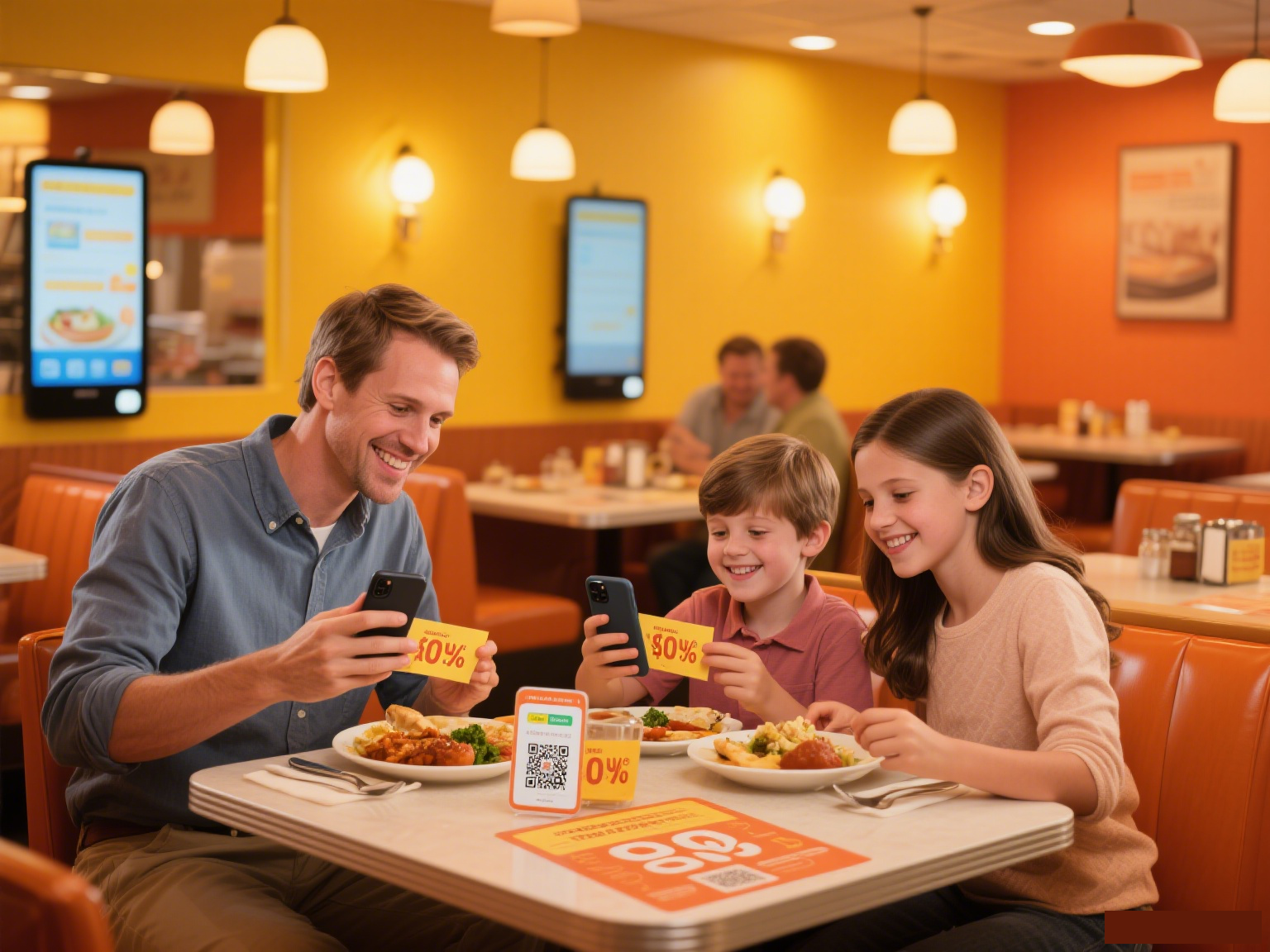
QR Code Coupon Deals: The Smart Shopper’s Guide to Scoring Discounts (and Avoiding Mistakes)
Hey there—Erick here, your go-to couponing strategist at CouponMega. If you’ve ever scanned a QR code at a coffee shop for a free pastry or grabbed a discount at Target by pointing your phone at a shelf tag, you already know: QR code coupons are the future of saving money. But if you’re still wondering how to make the most of them (or why they’re worth your time), you’re in the right place.
I’ve spent the last five years testing every coupon strategy under the sun—from clipping Sunday papers to hacking loyalty apps. And let me tell you: QR code deals are one of the most underrated tools in a smart shopper’s toolkit. They’re fast, flexible, and way more effective than traditional coupons for both consumers and brands. But like any strategy, there’s a right way to use them (and a lot of ways to mess up).
In this guide, I’ll break down everything you need to know: how to find QR code coupons, how to redeem them without headaches, the biggest mistakes to avoid, and even a peek at what’s next for this game-changing technology. Let’s dive in.
What Are QR Code Coupon Deals, Exactly?
First things first: A QR (Quick Response) code is a square barcode that stores information—like a coupon code, a link to a discount page, or even a loyalty reward. When you scan it with your phone’s camera (or a QR scanner app), it instantly takes you to the offer.
QR code coupons aren’t new—they’ve been around since the early 2010s—but they exploded during the pandemic. Why? Because they’re contactless (perfect for social distancing) and super convenient for brands to distribute. Instead of printing thousands of flyers, a restaurant can put a QR code on their website, social media, or even a sidewalk sign—and update the offer in real-time.
For shoppers, the benefits are even bigger:
- No more lost coupons: You don’t have to keep track of paper slips or remember to bring them to the store.
- Instant redemption: Scan, click, and save—no waiting for a code to load.
- Personalization: Brands can send targeted QR codes based on your purchase history (e.g., a 20% off coupon for dog food if you buy kibble every month).
Want proof? A 2024 eMarketer study found that 63% of U.S. consumers have used a QR code coupon in the last year, and 78% of those shoppers said they’d do it again. That’s not a trend—that’s a shift in how we save.
Why QR Codes Are a Game-Changer for Couponing (A Real-Life Example)
Let me share a story from my neighborhood to illustrate why QR codes work. Last year, a small bakery called Sweet Spot near my house was struggling to get repeat customers. They tried traditional coupons (print ads, email blasts), but redemption rates were abysmal—less than 5%.
Then they switched to QR code coupons. Here’s what they did:
- Put a QR code on every receipt that offered a free cookie on your next visit.
- Added a QR code to their Instagram bio that gave 10% off your first online order.
- Placed a QR code on their storefront window for $2 off any coffee drink (targeted at passersby).
The result? Repeat visits increased by 35% in three months, and online orders jumped 40%. The owner, Maria, told me: “QR codes made it easy for customers to save—they didn’t have to remember anything. And for us, it was cheap to implement and easy to track.”
That’s the magic of QR code deals: They bridge the gap between online and offline shopping, making savings accessible to everyone. And for brands, they provide valuable data (like who’s redeeming coupons, when, and where) that traditional coupons can’t match.
How to Find and Use QR Code Coupons (Step-by-Step)
Okay, so you’re convinced QR codes are worth trying. Now what? Here’s my proven process for finding and redeeming them—no tech degree required.
Step 1: Know Where to Look
QR code coupons are everywhere—you just have to know where to spot them. Here are my top places to find them:
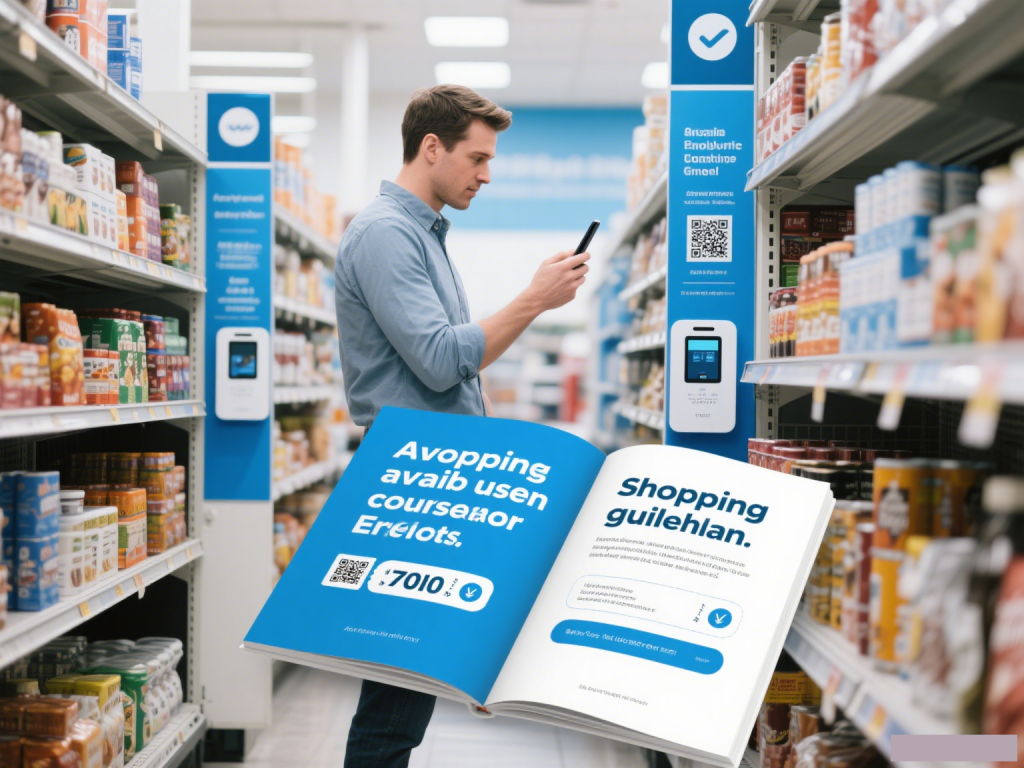
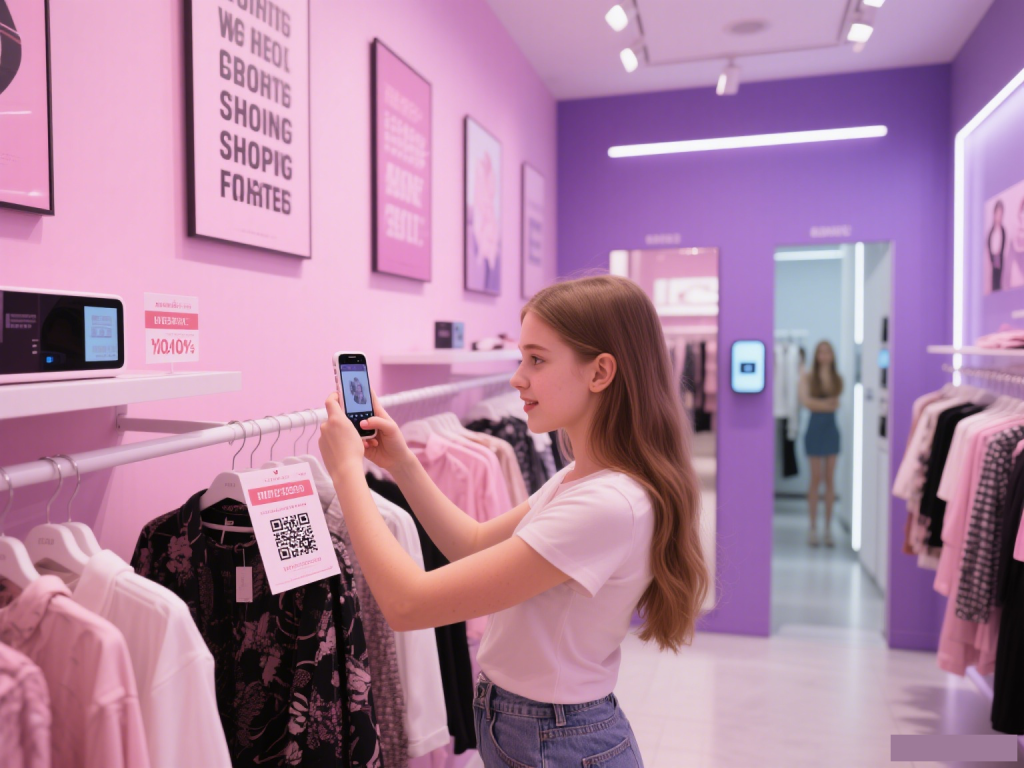
- In-store: Look for QR codes on shelves, receipts, product packaging, or store windows. Target and Walmart often use them for instant discounts.
- Online: Check brand websites, social media (Instagram, Facebook, TikTok), and email newsletters. Many brands hide QR codes in their posts for exclusive deals.
- Coupon sites: Yep, that’s us! At CouponMega, we curate the best QR code coupons from top brands—just search for “QR code deals” in our Couponing Strategies section.
- Loyalty apps: Apps like Starbucks, Sephora, and Ulta use QR codes to redeem rewards or exclusive offers. Make sure you’re logged in—these deals are often personalized.
Step 2: Scan the Code (The Right Way)
Scanning a QR code is simple, but there are a few tricks to avoid frustration:
- Use your phone’s camera: Most iPhones and Androids have built-in QR scanners—just open the camera app and point it at the code. A link will pop up; tap it to redeem.
- Download a scanner app: If your phone doesn’t have a built-in scanner, try apps like QR Code Reader (iOS) or Scan (Android). They’re free and easy to use.
- Check the lighting: If the code is blurry or in low light, your phone might not scan it. Try moving closer or turning on your flashlight.
Step 3: Redeem the Offer (And Avoid Common Pitfalls)
Once you scan the code, you’ll be taken to a page where you can redeem the coupon. Here’s what to watch for:
- Expiration dates: QR codes can expire—always check the fine print. I once missed out on a $10 Amazon gift card because I forgot to redeem it within 7 days. Oops.
- Redemption limits: Some coupons are one-time use, while others let you redeem them multiple times. Make sure you know the rules.
- Online vs. in-store: Some QR codes are for online use only (you’ll need to enter a code at checkout), while others are for in-store (show the code to a cashier). Don’t mix them up!
Pro tip: Save QR codes to your phone’s wallet app (iOS) or Google Pay (Android). That way, you’ll have them ready when you need them—no more scrolling through your photos.
The Biggest Mistakes to Avoid With QR Code Coupons
I’ve made every mistake in the book when it comes to QR codes—here are the top three to steer clear of:
Mistake 1: Ignoring the Fine Print
Remember that $10 Amazon gift card I mentioned? Yeah, that’s what happens when you skip reading the terms. Many QR code coupons have hidden restrictions: minimum purchase amounts, excluded products, or limited redemption windows. Take 10 seconds to scan the fine print—you’ll save yourself a lot of hassle.
Mistake 2: Sharing QR Codes (Unless They’re meant to be Shared)
Some QR codes are personalized—like the ones you get from loyalty apps. If you share them with friends, they might not work (or you could get in trouble with the brand). Stick to sharing public QR codes (like the ones on brand social media) and keep personal ones to yourself.
Mistake 3: Forgetting to Track Your Savings
QR code coupons are great, but if you don’t track how much you’re saving, you’ll never know if they’re worth your time. I use a simple spreadsheet to log every QR code deal I redeem—then at the end of the month, I add up the savings. Last month, I saved $127 from QR codes alone!
Want to make tracking easier? Use apps like CouponCabin or Ibotta—they automatically log your QR code redemptions and show you how much you’ve saved.
What’s Next for QR Code Coupons? (My Exclusive Predictions)
As a couponing expert, I spend a lot of time thinking about the future of saving money. And let me tell you: QR codes are only going to get better. Here are my top predictions for 2025 and beyond:
1. AI-Powered Personalization
Brands are already using AI to send targeted QR codes, but soon they’ll take it to the next level. Imagine getting a QR code for 50% off your favorite shampoo—exactly when you’re running low. Or a coupon for a restaurant you’ve never tried, but AI knows you’ll love (based on your Yelp reviews). This isn’t science fiction—Gartner predicts that 80% of retail brands will use AI-driven QR codes by 2026.
2. Integration With Wearable Tech
Smartwatches like the Apple Watch already let you scan QR codes—but soon, you’ll be able to redeem coupons directly from your wrist. No more pulling out your phone at the checkout line—just tap your watch and save.
3. Blockchain-Powered Security
One of the biggest complaints about QR codes is fraud (e.g., fake codes that steal your information). But blockchain technology could fix that. Brands could use blockchain to create “tamper-proof” QR codes that are impossible to fake. This would make QR code coupons safer for everyone—shoppers and brands alike.

Final Thoughts: Why You Should Start Using QR Code Coupons Today
QR code deals aren’t just a “trend”—they’re a smarter way to save money. They’re convenient, personalized, and backed by data that proves they work. And as someone who’s saved thousands of dollars with them, I can tell you: They’re worth the effort.
If you’re new to QR codes, start small. Scan a few codes at your local grocery store or coffee shop. Track your savings. And if you make a mistake? Don’t worry—we’ve all been there. The key is to keep trying.
And if you ever need help finding the best QR code coupons? Head over to our Couponing Strategies section—we update it daily with the latest deals.
Happy scanning!
— Erick, CouponMega’s Couponing Strategist
P.S. Want to see how QR codes work in real life? Check out our How To Save guide—we included a step-by-step video of me redeeming a QR code coupon at Target!
We write rarely, but only the best content.
