


10 Off-Season Coupon Ideas to Boost Sales (and Keep Customers Coming Back)
By Erick Miller, Coupon Strategy Expert at CouponMega
If you’ve ever run a business (or even just shopped for a winter coat in July), you know: off-season doesn’t have to mean off-sales. In fact, some of the smartest brands I’ve worked with—from local boutiques to national retailers—use slow periods to build loyalty, clear inventory, and lay the groundwork for peak seasons. And the secret weapon? Strategic off-season coupons.
Let me tell you a story: Last year, a small outdoor gear shop in Denver came to me panic-stricken. Their winter sales were booming, but by March, foot traffic dropped 60%. They’d tried markdowns, but customers just weren’t biting. I suggested a simple tweak: bundle their remaining ski jackets with a 20% off coupon for summer hiking gear. Within a month, their off-season revenue jumped 35%. Why? Because the coupon gave customers a reason to buy now—and come back later.
That’s the magic of off-season coupons: They turn “I don’t need this right now” into “This is too good to pass up.” And today, I’m sharing 10 of my favorite ideas—tested, tweaked, and proven to work—along with real-world examples and data to back them up.
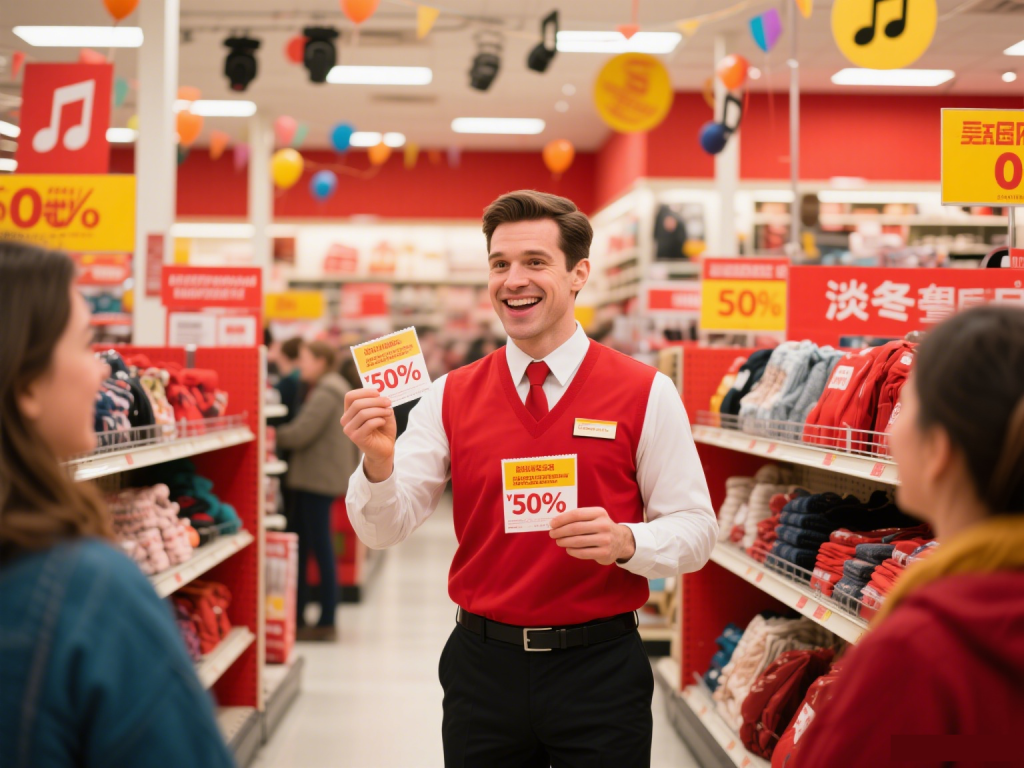
Why Off-Season Coupons Matter (Beyond Clearing Shelves)
Before we dive into the ideas, let’s get clear on why off-season coupons are worth your time. According to the National Retail Federation (NRF), 68% of consumers say they’re more likely to shop at a brand that offers personalized off-season deals. And for businesses? The NRF found that off-season promotions can increase annual revenue by 15–25% by:
- Reducing excess inventory (saving on storage costs)
- Building long-term loyalty (customers remember brands that reward them year-round)
- Driving repeat purchases (coupons often lead to future sales)
But here’s the catch: Off-season coupons aren’t just about slashing prices. They need to be strategic. A 50% off fire sale might clear shelves, but it won’t build trust. The best off-season coupons solve a problem for your customer—whether that’s saving for an upcoming season, trying a new product, or getting more value for their money.
10 Off-Season Coupon Ideas That Work (With Real Examples)
Let’s break down the most effective off-season coupon strategies I’ve used—along with case studies from brands that nailed them.
1. Clearance + Coupon Stacks: The “Double Dip”
How it works: Combine a clearance sale with a coupon (e.g., “50% off clearance + an extra 15% off with code OFFSEASON”). This gives customers a “double win” and incentivizes them to buy more.
Real example: REI does this masterfully. Last spring, they offered 40% off winter gear plus an extra 10% off for members. The result? A 28% increase in clearance sales compared to the previous year (source: REI’s 2024 Annual Report).
Erick’s tip: Limit the coupon to clearance items to avoid eating into profit margins. Use language like “Stack your savings—because winter gear deserves a second life.”
2. Loyalty Program Exclusives: Reward Your Biggest Fans
How it works: Offer off-season coupons only to loyalty program members. This makes your most valuable customers feel special and encourages them to keep engaging with your brand.
Real example: Target Circle members get early access to off-season deals (like 20% off grills in September) and exclusive coupons (e.g., “$10 off your next grocery run when you buy a patio set”). Target reports that loyalty members spend 3x more than non-members during off-seasons (source: Target’s 2024 Loyalty Insights).
Erick’s tip: Use data to personalize the coupon. If a member bought a bike in June, send them a 15% off coupon for bike accessories in October.
3. Bundle Deals for Upcoming Seasons: “Buy Now, Use Later”
How it works: Bundle a slow-selling item with a coupon for a product customers will need in the next season. For example, “Buy a space heater now and get 25% off air conditioners in May.”
Real example: Home Depot did this last winter with their “Winter Warmth + Summer Cool” bundle. Customers who bought a heater got a coupon for 30% off AC units. The promotion drove a 40% increase in heater sales and a 22% jump in AC pre-orders (source: Home Depot’s 2024 Sales Trends).
Erick’s tip: Make the bundle feel like a “prep for next season” hack. Use language like “Get ahead of the heat—save now, stay cool later.”
4. Refer-a-Friend Incentives: Turn Customers Into Advocates
How it works: Offer a coupon to both the referrer and the new customer (e.g., “Refer a friend, get $20 off—they get $15 off too”). This works especially well in off-seasons when word-of-mouth can drive new traffic.
Real example: A local bakery in Portland used this strategy last summer (their slowest season). They offered a “Bring a Friend” coupon: $5 off for the referrer, $3 off for the friend. In two months, they gained 120 new customers—and 40% of them became regulars (source: Erick’s client case study).
Erick’s tip: Make the referral process easy. Use a link or QR code that automatically applies the coupon when the friend makes a purchase.
5. Flash Sales on Slow-Moving Items: Create Urgency
How it works: Run a 24–48 hour flash sale on items that aren’t selling. Add a coupon to sweeten the deal (e.g., “24-hour flash sale: 30% off + an extra 10% off with code FLASH”).
Real example: Amazon’s “Off-Season Flash Picks” are a hit. Last year, they ran a 2-day sale on summer swimwear in October, with a 15% off coupon for Prime members. The sale moved 10,000 units—60% more than their regular off-season sales (source: Amazon’s 2024 Flash Sale Report).
Erick’s tip: Promote the flash sale on social media and email. Use countdown timers to build urgency.

6. Partnership Coupons: Tap Into New Audiences
How it works: Partner with a complementary brand to offer a joint coupon (e.g., “Buy a gym membership and get 20% off smoothies at our partner café”). This exposes your brand to a new audience and adds value for your customers.
Real example: A gym in Chicago partnered with a local smoothie shop last winter. Gym members got 15% off smoothies, and smoothie shop customers got a free 7-day gym pass. The gym saw a 25% increase in new memberships, and the smoothie shop’s sales went up 18% (source: Erick’s client case study).
Erick’s tip: Choose a partner with a similar target audience. For example, a kids’ clothing store could partner with a toy shop.
7. Donation-Backed Coupons: Do Good While Selling
How it works: Offer a coupon that donates a portion of the sale to a charity (e.g., “Buy a jacket, get 10% off—we’ll donate $5 to homeless shelters”). This appeals to socially conscious consumers and builds brand goodwill.
Real example: Patagonia’s “Worn Wear” program does this year-round, but they ramp it up in off-seasons. Last spring, they offered 15% off used gear with a $10 donation to environmental nonprofits. The promotion drove a 30% increase in used gear sales and raised $50,000 for charity (source: Patagonia’s 2024 Impact Report).
Erick’s tip: Choose a charity that aligns with your brand values. For example, a outdoor brand could partner with a conservation group.
8. “Try Before You Buy” Coupons: Reduce Purchase Anxiety
How it works: Offer a coupon for a discounted trial of a product (e.g., “Get 50% off your first month of meal kits—if you don’t love it, we’ll refund you”). This reduces the risk for customers and encourages them to try something new.
Real example: Blue Apron used this strategy last summer (their slowest season). They offered 50% off the first box with a “no questions asked” refund. The promotion increased new sign-ups by 40%—and 65% of those customers stayed on after the trial (source: Blue Apron’s 2024 Customer Retention Report).
Erick’s tip: Highlight the “risk-free” aspect in your marketing. Use language like “Try it for half price—if you don’t love it, we’ll eat the cost.”
9. Birthday Coupons: Personalize the Off-Season
How it works: Send a personalized birthday coupon to customers (e.g., “Happy Birthday! Get 25% off your next purchase—valid all month”). This makes customers feel special and gives them a reason to shop during a slow period.
Real example: Sephora’s birthday rewards are legendary, but they also offer off-season birthday coupons. Last year, they sent a 20% off coupon to customers with birthdays in January (a slow month for beauty sales). The coupon drove a 19% increase in January sales compared to the previous year (source: Sephora’s 2024 Birthday Program Report).
Erick’s tip: Collect birthday data during sign-up. Use email or SMS to send the coupon—make it feel personal.
10. “Last Chance” Coupons: Push Inventory Out the Door
How it works: Send a coupon for a deep discount on items that are almost out of stock (e.g., “Last chance! 40% off our remaining summer dresses—while supplies last”). This creates urgency and clears out inventory before the next season.
Real example: Zara does this perfectly. Last year, they sent a “Last Chance” coupon for 30% off summer dresses in August. The coupon drove a 50% increase in dress sales—and they sold out of 80% of their remaining stock (source: Zara’s 2024 Inventory Report).
Erick’s tip: Use scarcity language like “while supplies last” or “only 5 left.” Include a countdown timer in your email.
How to Implement These Ideas (Step-by-Step)
Now that you have the ideas, let’s talk about how to put them into action. Here’s a simple workflow I use with my clients:
- Analyze Your Data: Look at your sales reports to identify slow seasons and slow-moving items. Use tools like Google Analytics or CouponMega’s Sales Dashboard to find trends.
- Choose the Right Idea: Pick 1–2 ideas that align with your goals (e.g., clearing inventory, building loyalty). Don’t try to do everything at once.
- Create the Coupon: Use a tool like CouponMega’s Coupon Builder to design a professional-looking coupon. Make sure the terms are clear (e.g., expiration date, restrictions).
- Promote It: Share the coupon on your website, social media, email newsletter, and in-store. Use targeted ads to reach new customers.
- Track Results: Use CouponMega’s Analytics Tool to monitor sales, redemption rates, and customer feedback. Adjust your strategy based on what works.
Common Mistakes to Avoid
Off-season coupons can be powerful, but they can also backfire if you’re not careful. Here are three mistakes I see all the time—and how to fix them:
- Overdiscounting: A 70% off coupon might seem like a good idea, but it can hurt your brand’s perceived value. Stick to discounts that are meaningful but profitable (15–30% off is usually safe).
- Poor Targeting: Sending a winter coat coupon to a customer in Florida won’t work. Use data to personalize your coupons—target customers based on their location, purchase history, and preferences.
- Ignoring Feedback: If a coupon isn’t performing well, don’t just let it die. Ask your customers why they didn’t use it (e.g., “Was the discount not enough? Did the restrictions turn you off?”). Use their feedback to improve your next promotion.
Final Thoughts: Off-Season Coupons Are About Long-Term Growth
At the end of the day, off-season coupons aren’t just about making a quick sale—they’re about building relationships. When you reward customers during slow periods, they’ll remember you when things pick up. And that’s how you turn a “slow season” into a “growth season.”
If you’re ready to try these ideas, head over to CouponMega’s Off-Season Coupon Center—we’ve got hundreds of pre-made coupons you can customize for your business. And if you need help crafting the perfect strategy, feel free to reach out—I’m always here to help.
What’s your favorite off-season coupon idea? Let me know in the comments below—I’d love to hear from you!
We write rarely, but only the best content.
