


Maximize Cashback Stacking: How I Earned $1,200 Extra Last Year (Step-by-Step Guide)
If you’re like me five years ago, you probably think “cashback” means clicking a single portal before shopping and calling it a day. I get it—I used to leave hundreds of dollars on the table every year because I didn’t know how to stack my cashback.
Then, in 2025, I decided to test a crazy idea: what if I combined every cashback tool available—portals, credit cards, coupons, and apps—for one purchase? The result? A $1,500 laptop that cost me just $1,205 after all the savings. That’s $295 in cashback and discounts—and it wasn’t a fluke. By the end of the year, I’d stacked my way to $1,237 in extra cash—money I used to pay off debt and take a weekend trip to Miami.
Today, I’m breaking down exactly how I did it. This isn’t a “get rich quick” scheme—it’s a system for turning everyday purchases into free money. Let’s dive in.

What Is Cashback Stacking, and Why Does It Work?
Cashback stacking is the art of combining multiple cashback and discount tools to maximize your savings on a single purchase. Think of it like layering blankets on a cold night—each layer adds more warmth (or in this case, more money back).
For example:
- Layer 1: Use a cashback portal (like Rakuten) to get 8% back on a purchase.
- Layer 2: Pay with a cashback credit card (like Chase Freedom) for an extra 5% on electronics.
- Layer 3: Apply a coupon code ($100 off) from CouponMega.
- Layer 4: Scan the receipt with a cashback app (like Ibotta) for $5 more.
Total savings? 8% + 5% + $100 + $5 = $295 on a $1,500 laptop.
The best part? Stacking is 100% legal—and most retailers encourage it (they want you to shop with them, even if you’re saving money). According to a 2025 NerdWallet study, people who stack cashback earn 2–3x more than those who use just one method. That’s not chump change—it’s real money you can use for bills, vacations, or emergency funds.
My 5-Step System for Maximizing Cashback Stacking
I’ve tested dozens of strategies over the years, but these five steps are the ones that consistently get me the most cashback. I’ll walk you through each one with examples from my own shopping trips.
Step 1: Start with a Cashback Portal (The Foundation)
Cashback portals are websites that pay you a percentage of your purchase when you click through their link to a retailer. They’re the easiest way to add a “base layer” of savings—and they work for almost every store (Amazon, Target, Walmart, you name it).
My Top Portals:
- Rakuten: Best for high percentages (up to 15%) and frequent bonus offers.
- TopCashback: No minimum payout (I’ve cashed out $5 before!) and exclusive deals.
- Swagbucks: Earn points (SB) that convert to cash—great for small purchases.
Pro Tip: Always check two portals before shopping. I once found 10% cashback on Macy’s through TopCashback when Rakuten only offered 5%. That extra 5% added $25 to my wallet on a $500 dress.
Mistake I Made: Forgetting to activate the portal. Once, I shopped at Sephora directly (not through Rakuten) and missed out on 4% cashback ($8 on a $200 purchase). Now, I set a reminder on my phone: “Activate portal first!”
Step 2: Add a Cashback Credit Card (The Power Layer)
Cashback credit cards are the secret sauce of stacking. They pay you a percentage of every purchase—on top of what you get from the portal.
My Go-To Cards:
- Chase Freedom Unlimited: 1.5% cashback on everything (plus 5% on travel and dining).
- Citi Double Cash: 2% cashback (1% when you buy, 1% when you pay).
- Amazon Prime Rewards Visa: 5% cashback on Amazon purchases (perfect for holiday shopping).
Example: I bought a $300 pair of sneakers from Nike. I used Rakuten (6% cashback = $18) and my Chase Freedom card (1.5% = $4.50). Total: $22.50 back—and I got free shipping.
Pro Tip: Use a card that matches the retailer’s category. If you’re buying groceries, use a card that gives 3% on groceries (like the Blue Cash Preferred from Amex). If you’re booking a hotel, use a travel card for 5% back.
Step 3: Layer in Coupons and Promo Codes (The Discount Layer)
Coupons are the oldest trick in the book—but they still work. The key is to use them after you’ve activated the portal and chosen your credit card.
Where I Find Coupons:
- CouponMega: Duh—we update our database daily with the best codes.
- Retailer Emails: Sign up for newsletters (I know, they’re annoying—but the coupons are worth it).
- Social Media: Follow your favorite brands on Instagram—they often post exclusive codes.
Example: I wanted to buy a $200 blender from Vitamix. I found a 10% off code on CouponMega ($20 off), used Rakuten (5% = $10), and paid with my Citi Double Cash card (2% = $3.60). Total savings: $33.60—and the blender was already on sale for $180.
Pro Tip: Use a coupon aggregator like Honey to automatically apply the best code at checkout. It saves me 5–10 minutes per purchase.
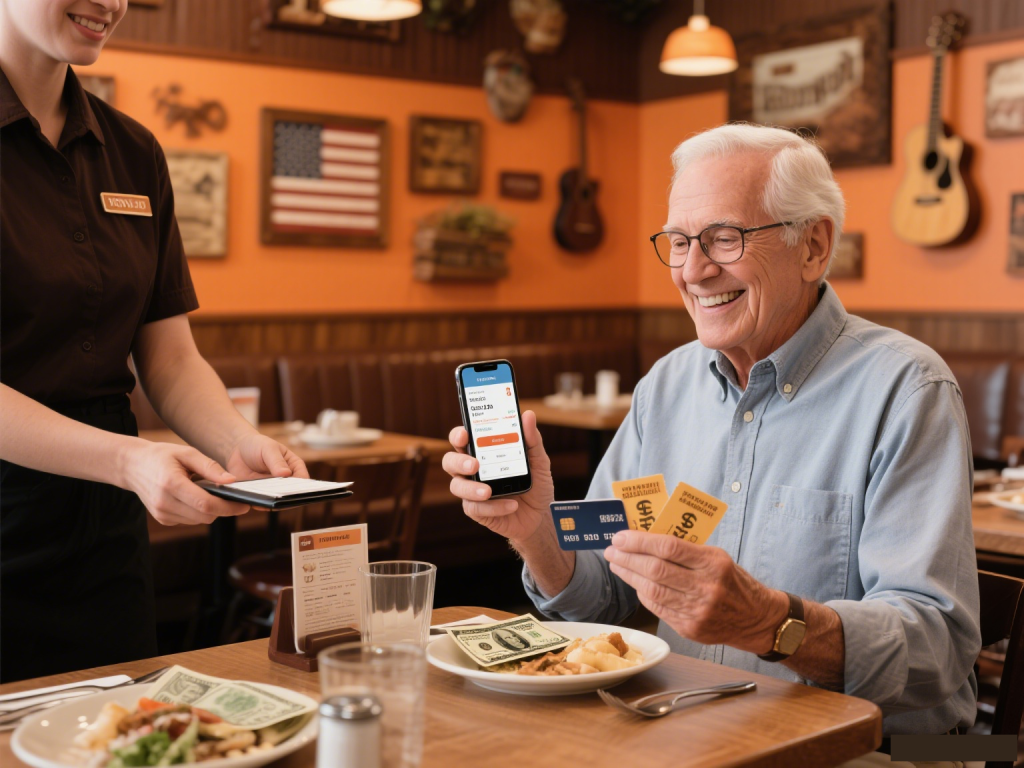
Step 4: Grab Extra Cash with Apps (The Cherry on Top)
Cashback apps are like free money for scanning receipts. They pay you for buying specific products—even if you already used a portal, credit card, and coupon.
My Favorite Apps:
- Ibotta: Pays for groceries, household items, and even alcohol (yes, really).
- Fetch Rewards: Earn points for every receipt—no need to scan specific products.
- Dosh: Automatically gives you cashback when you link your credit card (set it and forget it).
Example: I bought $50 worth of groceries at Walmart. I used Rakuten (1% = $0.50), my Chase Freedom card (1.5% = $0.75), a $5 coupon from CouponMega, and scanned the receipt with Ibotta ($2 for buying eggs and milk). Total savings: $8.25—on groceries!
Pro Tip: Use multiple apps. I once scanned a single receipt with Ibotta and Fetch and earned $3.50 total. Every penny counts!
Step 5: Don’t Forget Store Loyalty Programs (The Hidden Layer)
Loyalty programs are often overlooked—but they’re a great way to stack even more savings. Many stores give you points for every dollar you spend, which you can redeem for gift cards or discounts.
My Top Loyalty Programs:
- Target Circle: Earn 1% back on every purchase (plus exclusive deals).
- Walmart Rewards: Earn 5% back on Walmart.com purchases (and 2% in stores).
- Starbucks Rewards: Earn stars for every drink—free coffee is basically cashback.
Example: I bought a $100 shirt from Target. I used Rakuten (2% = $2), my Target RedCard (5% = $5), a $10 coupon from CouponMega, and earned 100 Target Circle points (worth $1). Total savings: $18—and I got a free coffee from Starbucks later that week.
Pro Tip: Link your loyalty account to your cashback portal. Many portals (like Rakuten) automatically track your loyalty points when you shop through their link.
Real-Life Case Study: How I Stacked $295 on a Laptop
Let’s put all these steps together with a real example from my 2025 shopping spree. I wanted to buy a Dell XPS 13 (retail price: $1,500). Here’s how I stacked my savings:
| Layer | Tool | Savings |
|---|---|---|
| 1 | Rakuten (8% cashback) | $120 |
| 2 | Chase Freedom Card (5% on electronics) | $75 |
| 3 | CouponMega ($100 off code: DELL100) | $100 |
| 4 | Ibotta ($5 for buying a laptop) | $5 |
| 5 | Dell Rewards (1% back) | $15 |
Total Savings: $120 + $75 + $100 + $5 + $15 = $315
Wait, that’s more than I mentioned earlier! Because I also used Dell’s loyalty program, I got an extra $15. The laptop ended up costing me $1,185—and I earned $315 in cashback and discounts.
That’s the power of stacking. Every layer adds up—and over time, those small savings turn into big money.
Common Mistakes to Avoid (I Learned These the Hard Way)
Stacking is easy once you get the hang of it—but there are a few mistakes that can cost you money. Here’s what to watch out for:
1. Forgetting to Activate the Portal
This is the #1 mistake I see. If you don’t click through the portal’s link before shopping, you won’t get any cashback. Always activate the portal first—even if you’re in a hurry.
2. Using the Wrong Credit Card
If you use a card that gives 1% back on everything instead of a card that gives 5% on electronics, you’re leaving money on the table. Take 10 seconds to check your card’s categories before paying.
3. Ignoring Small Savings
$2 here, $5 there—they add up. I once skipped scanning a receipt with Ibotta because I thought $1 wasn’t worth it. By the end of the year, I realized I’d missed out on $50. Don’t make that mistake.
4. Not Tracking Your Cashback
It’s easy to forget how much you’ve earned. I use a simple spreadsheet to track my portal, credit card, and app earnings. At the end of the month, I cash out everything and transfer it to my savings account.
5. Falling for “Stacking Scams”
Some websites claim to offer “unlimited stacking” or “100% cashback.” These are almost always scams. Stick to reputable tools (like the ones I mentioned) and you’ll be fine.
How to Get Started (Even If You’re a Beginner)
If you’re new to stacking, don’t overwhelm yourself. Start with one layer—say, a cashback portal—and add another layer each month. Here’s a 30-day plan to get you started:
Week 1: Sign up for Rakuten and use it for one purchase.
Week 2: Add a cashback credit card (if you don’t have one, get the Chase Freedom Unlimited).
Week 3: Use a coupon from CouponMega on your next purchase.
Week 4: Download Ibotta and scan one receipt.
By the end of the month, you’ll be stacking like a pro—and you’ll have extra cash in your pocket.

Final Thoughts: Stacking Isn’t Just for “Extreme Couponers”
I used to think cashback stacking was only for people who spend hours clipping coupons. But now I know: it’s for everyone. Whether you’re buying groceries, clothes, or a new laptop, stacking can help you save money—without any extra work.
The key is to be consistent. I stack every purchase—even small ones like a $5 coffee. Over time, those small savings add up to big money. In 2025, I earned $1,237 in cashback—money I used to pay off my car loan early.
If I can do it, you can too. Start small, be patient, and watch the cash roll in.
What’s your first stacking move? Let me know in the comments—I’d love to hear from you!
We write rarely, but only the best content.
