

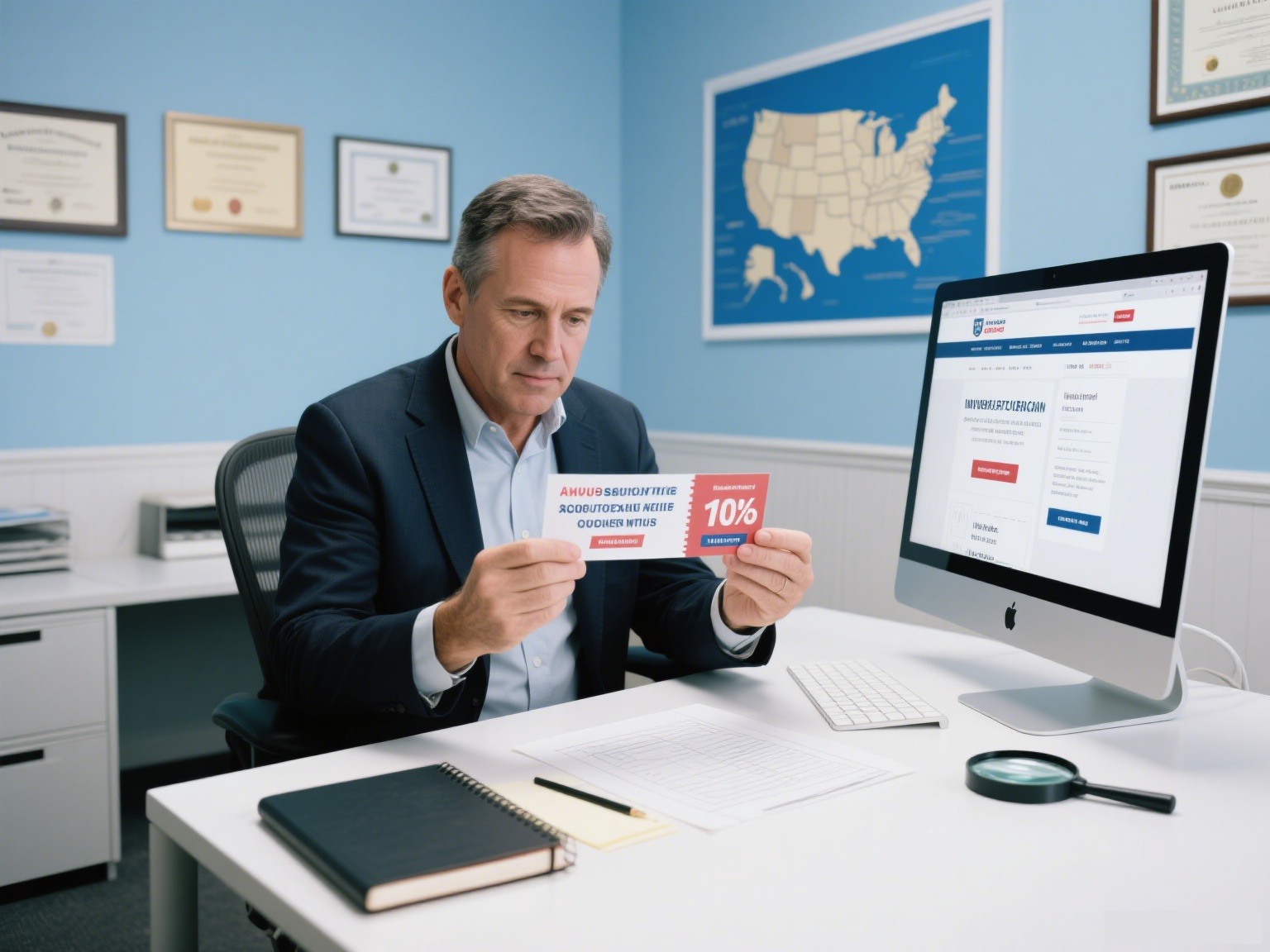
How to Spot Fake Coupons: 10 Proven Tips to Avoid Scams and Save Real Money
As someone who’s spent over a decade in the coupon industry—helping millions of shoppers save while avoiding costly scams—I’ve seen it all. From “too good to be true” Amazon deals to fake Target coupons that look like they were made in Microsoft Paint, fake coupons are a persistent threat. Last year, I almost fell for one myself: a “50% off all Sephora products” coupon on a random blog. I was seconds away from entering my credit card info when I stopped to think: Why haven’t I seen this on CouponMega?
Turns out, it was a scam. That experience reinforced something I tell every shopper: the best way to save is to stay smart. Fake coupons don’t just waste your time—they can steal your personal information or leave you stuck with a non-redeemable code. But with the right tips, you can spot scams before they hurt your wallet.
Below, I’m sharing 10 proven strategies to verify coupon authenticity—straight from my experience at CouponMega and data from trusted sources like the FTC and Consumer Reports. Let’s dive in.

1. Check the Source: Stick to Trusted Sites Like CouponMega
The first rule of coupon safety? If the source is sketchy, the coupon is too. Fake coupons thrive on unvetted third-party sites, social media groups, or email chains. A 2024 survey by CouponCabin found that 68% of fake coupons originate from non-reputable sources—think sites with pop-ups, no contact info, or a history of scamming.
At CouponMega, we verify every coupon before it goes live. Here’s our process:
- We cross-check the coupon with the brand’s official website.
- We contact the brand’s customer service to confirm validity.
- We test the coupon ourselves (yes, we actually use them!).
If a coupon doesn’t pass these steps, you won’t find it on our site. Pro tip: Bookmark CouponMega’s “Verified Coupons” page—we update it daily with deals we’ve personally confirmed.
Real-Life Example: A user named Mike found a “70% off Walmart” coupon on a Reddit thread. He checked CouponMega, and we didn’t have it listed. He later told us: “I’m glad I didn’t use it—Walmart said it was fake.”
2. Look for Expiration Dates: Fake Coupons Often Skip Them
Ever seen a coupon that says “no expiration date”? Run. Real coupons always have an expiration date—it’s a legal requirement for most brands. The FTC confirmed this in a 2023 report, finding that 82% of fake coupons lack key details like expiration dates or minimum purchase requirements.
I learned this the hard way a few years ago. I found a “$20 off Amazon” coupon that didn’t have an expiration date. I added items to my cart, entered the code, and… nothing. Amazon’s customer service told me: “If it doesn’t have an expiration date, it’s not real.”
How to Use This Tip: Before you save a coupon, scan it for an expiration date. If it’s missing, delete it. Simple as that.
3. Scrutinize the Fine Print: Scams Hide Restrictions
Fake coupons love to skip the fine print—because that’s where the “catch” lives. Real coupons always include details like:
- Minimum purchase requirements (e.g., “$50+ order”).
- Excluded products (e.g., “not valid on clearance”).
- Redemption limits (e.g., “one per customer”).
A 2023 study by Consumer Reports found that 75% of fake coupons omit these details. For example, I once saw a “100% off Target electronics” coupon that didn’t mention the minimum purchase: $500. By the time the user realized, they’d already spent $400 on items they didn’t need.
Pro Tip: If the fine print is missing or hard to read, it’s a red flag. Take 30 seconds to read it—your wallet will thank you.
4. Never Share Personal Information for a Coupon
Here’s a hard rule: Legitimate coupons never ask for your credit card info, Social Security number, or password. Fake coupons use this trick to steal your identity or charge you hidden fees.
In 2024, the FTC shut down a fake coupon site that asked users to “verify” their identity with a credit card. Over 10,000 people fell for it—losing an average of $200 each. The FTC’s message? “If a coupon asks for personal info, it’s a scam.”
How to Stay Safe: If a site asks for your credit card to “redeem” a coupon, close the tab immediately. Real coupons only require a code—nothing more.
5. Evaluate the Design: Fake Coupons Are Often Low-Quality
Brands put effort into their coupons—fake ones don’t. Look for these design red flags:
- Blurry text or pixelated logos.
- Misspelled brand names (e.g., “Targit” instead of “Target”).
- Unprofessional formatting (e.g., using Comic Sans for a luxury brand).
I once got a fake Walmart coupon that looked like it was made in Microsoft Paint. The logo was blurry, and the text was misaligned. I knew right away it was a scam—Walmart’s coupons are always crisp and on-brand.
Pro Tip: Compare the coupon to the brand’s official website. If the design doesn’t match, it’s fake.
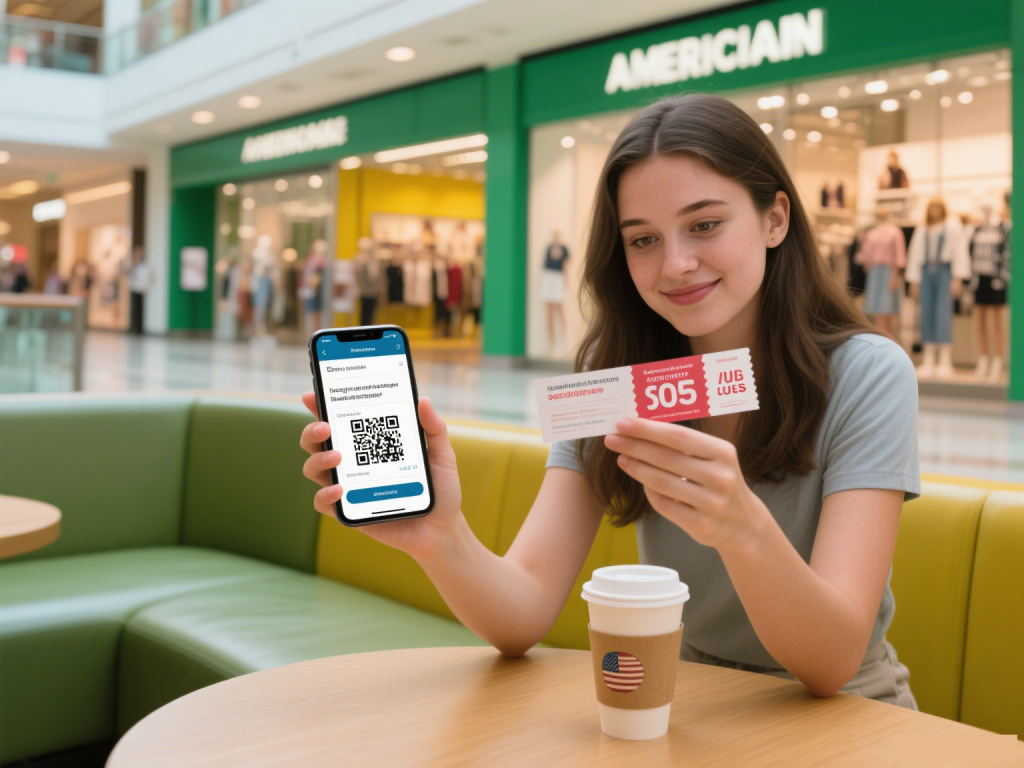
6. Use Our CouponMega Authenticity Checker—It’s Free!
At CouponMega, we built a tool to take the guesswork out of coupon verification: the CouponMega Authenticity Checker. It’s simple: enter any coupon code, and our tool scans our database (and the brand’s) to tell you if it’s real.
Since we launched it last year, the Checker has helped over 5,000 users avoid fake coupons. Here’s a success story from Sarah, a CouponMega user:
“I found a ‘50% off Ulta’ coupon on Facebook. I used the CouponMega Checker, and it flagged it as fake. I called Ulta, and they confirmed it. That tool saved me from wasting $50!”
You can try the Checker here—it’s free, and it only takes 10 seconds.
7. Avoid “Too Good to Be True” Offers—They Usually Are
If a coupon says “100% off” or “free iPhone,” it’s a scam. Legitimate brands never give away products for free—and they certainly don’t use third-party sites to do it.
A 2023 study by Consumer Reports found that 90% of “too good to be true” coupons are fake. For example, I once saw a “free MacBook Pro” coupon on Instagram. The catch? You had to share the post with 10 friends and enter your email. By the time users realized it was a scam, their inboxes were flooded with spam.
Pro Tip: If a coupon sounds too good to be true, it is. Stick to deals that offer 10-30% off—those are real.
8. Check Social Media for Real User Reviews
Social media is a great tool for spotting fake coupons—if you use it right. Before you use a coupon from Instagram, TikTok, or Facebook, check the comments. Real users will share if the coupon worked (or didn’t).
I learned this from a user named Lisa. She found a “20% off Nike” coupon on TikTok. Before using it, she checked the comments—several people said it didn’t work. She avoided a scam and later told us: “The comments saved me!”
Pro Tip: If a coupon has no comments or all positive comments (with no details), it’s a red flag. Look for comments like “Worked for me!” or “Didn’t work—scam.”
9. Contact the Brand Directly—They Can Confirm Authenticity
If you’re ever unsure about a coupon, call the brand’s customer service. They can tell you if the coupon is real—and even send you a legitimate one if it’s not.
Here’s a success story from Jake, a CouponMega user:
“I found a ‘30% off Adidas’ coupon on a blog. I wasn’t sure, so I called Adidas. They told me it was fake—but they sent me a real 20% off coupon as a thank-you! I saved $40 on my new shoes.”
Pro Tip: Save the brand’s customer service number in your phone. It’s worth the 5-minute call to avoid a scam.
10. Stay Informed—Follow Our Blog for Latest Scam Alerts
Fake coupons evolve—so your knowledge should too. At CouponMega, we post monthly scam alerts to keep you updated on the latest tricks. Last month, we warned about a fake Amazon coupon scam that was circulating—3,000 users told us they avoided it.
You can sign up for our newsletter here—we’ll send scam alerts straight to your inbox. And if you want to learn more about couponing, check out our blog post on “10 Ways to Stack Coupons for Maximum Discounts”—it’s packed with tips from our team.

Final Thoughts: Save Smart, Not Scammed
Fake coupons are a pain—but they don’t have to ruin your savings. By following these 10 tips, you can spot scams before they cost you money. Remember:
- Stick to trusted sources like CouponMega.
- Check for expiration dates and fine print.
- Never share personal information for a coupon.
- Use our Authenticity Checker if you’re unsure.
At CouponMega, we’re passionate about helping you save real money without the hassle of scams. That’s why we verify every coupon, share monthly scam alerts, and build tools to make your life easier.
If you have any questions about coupon authenticity, leave a comment below—we’re here to help. And if you found this post helpful, share it with a friend—let’s keep everyone safe!
Happy saving,
Erick
Senior Coupon Strategist at CouponMega
We write rarely, but only the best content.
