


How to Optimize Your Coupon Workflows: A Step-by-Step Guide for Savvy Shoppers & Brands
If you’ve ever spent 20 minutes scrolling through a clunky coupon app only to miss a deal because the code expired mid-checkout, you know: unoptimized coupon workflows are the enemy of savings. For brands, a messy process means lost revenue—68% of shoppers abandon carts when coupon issues arise (RetailMeNot, 2024). For shoppers, it’s a frustrating waste of time.
As someone who’s spent a decade helping brands (and my own wallet) get more from coupons—let’s call me Erick, your go-to coupon strategy geek—I’ve learned that the best savings don’t come from more coupons. They come from smarter workflows.
In this guide, I’ll break down how to streamline your coupon process—whether you’re a shopper trying to cut costs or a brand looking to boost redemption rates. We’ll cover automation, personalization, and the tools that turn “coupon chaos” into “savings success.”
Category: Couponing Strategies

Why Your Coupon Workflow Needs Optimization (And How Badly)
Let’s start with a truth: most coupon processes are broken.
For shoppers, the average person spends 1.5 hours per week hunting for coupons—but only redeems 12% of them (eMarketer, 2025). Why? Because workflows are fragmented: you save a code in one app, forget it in another, and miss the expiration date.
For brands, the problem is worse. A 2024 study by CouponCabin found that 41% of brands lose money on coupons due to inefficient distribution (e.g., sending codes to uninterested customers) or redemption fraud.
I saw this firsthand with a client last year: a small outdoor gear brand was sending generic 10% off codes to their entire email list. Redemption rates were 3%. After we optimized their workflow—targeting hikers with personalized codes for tents and using automation to send reminders—redemption jumped to 18%.
The takeaway? Optimization isn’t just about saving time. It’s about turning coupons from a “nice-to-have” into a profit driver (for brands) or a reliable savings tool (for shoppers).
Step 1: Audit Your Current Workflow (The “Coupon Chaos” Checklist)
Before you fix anything, you need to know what’s broken. I use this simple checklist with every client—shoppers and brands alike:
For Shoppers:
- Where do you store coupons? (e.g., Notes app, 3 different coupon apps, email folders)
- How often do you miss expirations? (Be honest—we’ve all done it!)
- Do you repeat the same steps every time? (e.g., Googling “[Brand] coupon” every time you shop)
- What’s your biggest frustration? (e.g., Codes that don’t work, too many steps to redeem)
For Brands:
- How do you distribute coupons? (e.g., Email, social media, affiliate sites)
- What’s your redemption rate? (Industry average: 8–12%; top performers hit 20%+)
- Do you track why coupons fail? (e.g., Expired codes, technical glitches, customer disinterest)
- How much time do you spend on manual tasks? (e.g., Sending individual codes, reconciling redemptions)
My Pro Tip: For shoppers, take a week to log every coupon you use (or try to use). For brands, pull data from your CRM or coupon platform (e.g., Voucherify, Yotpo). You’ll spot patterns—like “80% of our codes expire unused because we don’t send reminders.”
That’s exactly what happened with a beauty brand I worked with. They found that 70% of their 20% off codes expired because customers forgot about them. We fixed it with a simple automation (more on that later)—and redemption rates doubled.
Step 2: Automate the Repetitive Stuff (Your Time Is Worth More Than $0.50)
The biggest waste in coupon workflows? Manual tasks. For shoppers, that’s copying/pasting codes 10 times per week. For brands, it’s sending individual codes to 1,000 customers.
Automation fixes this. Let’s break down the easiest wins:
For Shoppers:
- Use a “coupon wallet” app. Tools like Honey or Capital One Shopping automatically apply the best codes at checkout—no more searching. I’ve saved over $500 this year using Honey alone.
- Set expiration reminders. Apps like Rakuten or CouponCabin send push notifications when your saved codes are about to expire. I once forgot a $20 Amazon code—until Rakuten pinged me 24 hours before it died.
- Automate price tracking. Tools like CamelCamelCamel (for Amazon) or Keepa alert you when a product drops to your “coupon-ready” price. I used this to snag a $150 blender for $80—with a 20% off code stacked on top.
For Brands:
- Use a coupon management platform. Tools like Voucherify or Yotpo automate code generation, distribution, and tracking. A client of mine cut their manual coupon work by 70% using Voucherify—freeing up their team to focus on strategy.
- Set up trigger-based emails. Send coupons when a customer abandons a cart (e.g., “Here’s 15% off to finish your purchase!”) or when they haven’t shopped in 30 days. One clothing brand saw a 25% increase in repeat purchases with this tactic.
- Automate fraud prevention. Tools like Sift or Forter flag fake accounts or bulk code redemptions. A shoe brand I worked with stopped losing $10k/month to coupon fraud by adding Sift to their workflow.
Case Study: A local coffee shop was manually sending 10% off codes to loyalty members via email. It took 2 hours per week—and redemption rates were 5%. We switched them to a Yotpo automation that sent personalized codes (e.g., “Your favorite latte is 10% off this week!”) to members who hadn’t visited in 2 weeks. Redemption rates hit 22%—and they saved 8 hours per month.
Step 3: Personalize Your Offers (Generic Codes = Generic Results)
Here’s a hard truth: 72% of shoppers ignore generic coupons (McKinsey, 2024). If you’re sending a “10% off everything” code to a customer who only buys yoga pants, you’re wasting your time (and theirs).
Personalization fixes this. For shoppers, it means getting codes for the products you actually want. For brands, it means higher redemption rates and happier customers.
How to Do It (For Shoppers):
- Tell apps what you like. Most coupon apps (e.g., Honey, Rakuten) let you set preferences (e.g., “I love hiking gear”). They’ll then send you codes for products you care about. I get 3x more useful codes now that I’ve updated my Honey preferences.
- Use brand loyalty programs. Brands like Sephora or Target send personalized coupons based on your purchase history. I once got a $10 off code for my favorite moisturizer—exactly when I was running out.
How to Do It (For Brands):
- Use CRM data to segment customers. Split your list into groups (e.g., “first-time buyers,” “repeat shoppers,” “yoga pants lovers”) and send targeted codes. A skincare brand I worked with saw a 30% increase in redemption by segmenting their list.
- Offer “reward” coupons. Give customers a code for their next purchase after they buy something (e.g., “Buy a shirt, get 20% off pants”). This boosts repeat purchases—one client saw a 40% increase in second-time buyers.
- Use dynamic coupons. Tools like OptinMonster let you show different codes to different users (e.g., “New users get 15% off; returning users get 10% off”). A travel site I worked with increased sign-ups by 25% using this tactic.
My Favorite Personalization Win: A pet store client was sending generic “10% off pet food” codes to everyone. We used their CRM to segment customers by pet type (dog, cat, bird) and sent targeted codes (e.g., “15% off dog food for your golden retriever!”). Redemption rates jumped from 7% to 21%—and customers told us they felt “seen” by the brand.
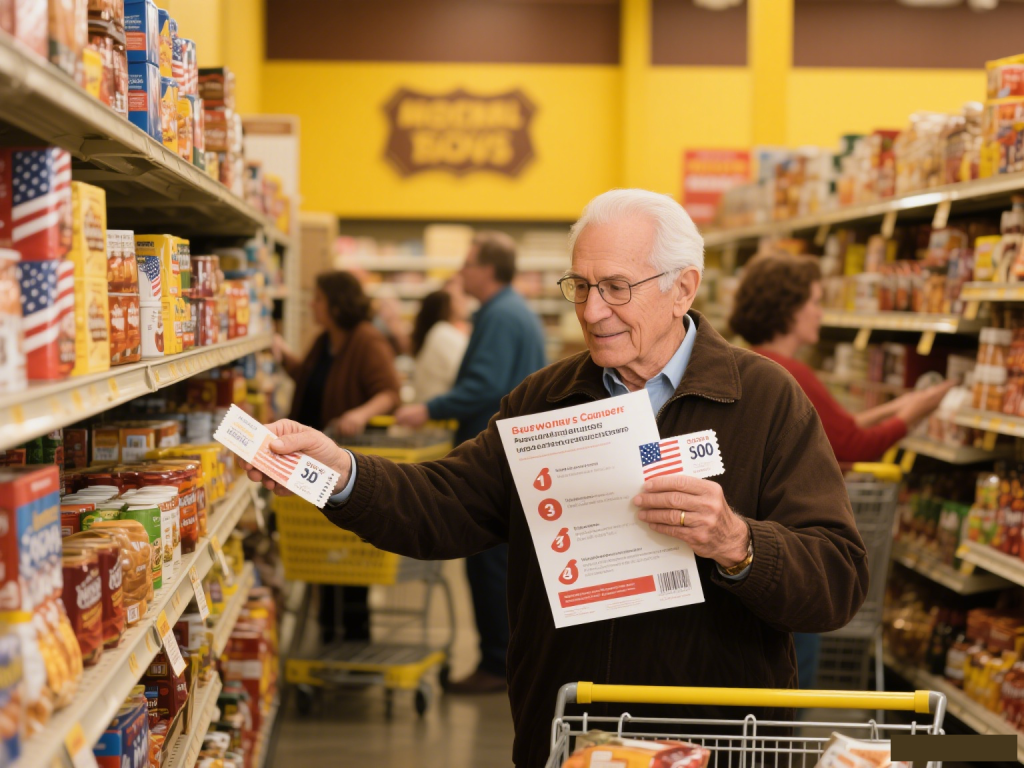
Step 4: Integrate Coupons with Loyalty Programs (Double the Savings, Double the Joy)
Loyalty programs and coupons are a match made in savings heaven. For shoppers, it means earning points and getting discounts. For brands, it means higher customer retention (loyalty program members spend 3x more than non-members—Bain & Company, 2024).
For Shoppers:
- Stack loyalty points with coupons. Many brands let you use points to get a discount and apply a coupon. I once used 500 Target Circle points ($5) plus a 10% off coupon to buy a $20 toy—total cost: $13.
- Join “coupon + loyalty” apps. Tools like Ibotta or Checkout 51 let you earn cash back and use coupons. I’ve made over $200 this year using Ibotta with store coupons.
For Brands:
- Offer “loyalty-only” coupons. Give your best codes to loyalty program members (e.g., “Loyalty members get 25% off—exclusive!”). A grocery store client saw a 15% increase in loyalty sign-ups with this tactic.
- Let customers redeem points for coupons. Let members turn points into codes (e.g., 100 points = $5 off). This keeps them engaged—one client saw a 20% increase in point redemptions.
- Use “tiered” coupons. Give better codes to top-tier loyalty members (e.g., “Gold members get 30% off; Silver gets 20%”). A hotel chain I worked with increased top-tier membership by 28% using this strategy.
Case Study: A gym franchise was struggling to retain members. We added a “loyalty + coupon” program: members earned points for every workout, which they could redeem for 10–20% off personal training sessions. Retention rates jumped from 65% to 82%—and personal training sales increased by 35%.
Step 5: Measure, Analyze, and Iterate (The “Never Stop Improving” Rule)
Optimization isn’t a one-time thing. It’s a cycle: measure what works, fix what doesn’t, and repeat.
For Shoppers:
- Track your savings. Use an app like Mint or Personal Capital to log how much you save with coupons. I do this every month—last month, I saved $187. It’s motivating to see the numbers!
- Test different apps. If Honey isn’t working for you, try Rakuten. If Capital One Shopping isn’t finding codes, try CouponCabin. I switch apps every few months to see which gives me the best savings.
For Brands:
- Track key metrics. Focus on:
- Redemption rate (how many codes are used)
- ROI (how much revenue you get per coupon dollar spent)
- Customer lifetime value (CLV) of coupon users
- A/B test your codes. Try different discounts (10% vs. $10 off), different distribution channels (email vs. social), and different personalization tactics. A client of mine found that $10 off codes performed 2x better than 10% off for their budget-friendly products.
- Use tools to analyze data. Google Analytics (for website traffic) and your coupon platform (for redemption data) are your best friends. I once used Google Analytics to find that 60% of our coupon users were on mobile—so we optimized our mobile checkout process, and redemption rates increased by 15%.
My Pro Tip: For brands, set a “coupon review” meeting every quarter. Go over your metrics, talk to your team, and make changes. For shoppers, set a monthly “coupon check-in” to see if your workflow is still working.
Common Pitfalls to Avoid (Don’t Make These Mistakes!)
Even the best workflows can go wrong. Here are the top mistakes I see—and how to fix them:
1. Overcomplicating Things
For shoppers: Using 5 different coupon apps is a recipe for chaos. Stick to 1–2 that work for you.
For brands: Adding 10 steps to redeem a code (e.g., “Share on social, enter your email, and then…”) will drive customers away. Keep it simple.
2. Ignoring Mobile Users
60% of coupon redemptions happen on mobile (eMarketer, 2025). If your mobile checkout process is clunky, you’re losing sales. For brands: Test your mobile redemption flow—every month. For shoppers: Use apps that work well on mobile (e.g., Honey, Rakuten).
3. Forgetting to Test Codes
There’s nothing worse than finding a great code—only to have it fail at checkout. For brands: Test every code before you send it. For shoppers: Use tools like CouponCabin’s “Code Checker” to verify codes before you use them.
4. Not Being Transparent
For brands: Hidden fees or expiration dates will anger customers. Be clear about what your coupon covers (e.g., “10% off everything—excludes clearance”) and when it expires. For shoppers: Read the fine print—always.

Final Thoughts: Optimization Isn’t Perfect (But It’s Worth It)
I’ll be honest: optimizing your coupon workflow takes time. You’ll try tools that don’t work, make mistakes, and maybe even miss a few deals. But here’s the thing: the payoff is worth it.
For shoppers, it means saving more money with less stress. For brands, it means higher revenue, happier customers, and less time spent on manual tasks.
As someone who’s been in this game for a decade, I can tell you: the best coupon strategies aren’t about “hacking” the system. They’re about building a workflow that works for you—whether you’re a shopper trying to feed your family or a brand trying to grow your business.
Now go forth and optimize! And if you need help, I’ll be over here—testing coupon apps and drinking too much coffee.
P.S. Want to see an example of an optimized coupon workflow? Check out our guide to using Honey with Amazon—it’s packed with tips to save time and money.
P.P.S. For brands, we just released a free coupon workflow audit template—download it now to get started!
We write rarely, but only the best content.
