


10 Costly Coupon Mistakes You’re Making (And How to Fix Them Fast)
By Erick Miller, Couponing Strategist at CouponMega
If you’ve ever stood in a grocery store checkout line, heart sinking as the cashier says, “Sorry, this coupon expired yesterday,” or “You can’t stack these—they’re from the same manufacturer,” you’re not alone. I’ve been there too. Back in 2021, I missed out on $75 in savings on a new laptop because I didn’t read the fine print about “limited to one per household.” That mistake taught me a hard lesson: couponing isn’t just about clipping—it’s about avoiding pitfalls that eat into your savings.
Today, I’m sharing the 10 most common coupon mistakes I see shoppers make (and how to fix them) based on 5+ years of helping CouponMega readers save over $2 million collectively. Let’s turn those “oops” moments into “yes!” wins.

Why Coupon Mistakes Hurt More Than You Think
Before we dive in, let’s talk numbers. A 2024 study by NCH Marketing Services found that 68% of coupon users lose out on savings due to preventable errors—like expired coupons or misreading terms. That’s an average of $120 per person per year wasted. For a family of four, that’s $480 you could put toward groceries, vacations, or emergency funds.
The good news? These mistakes are 100% avoidable. Let’s break down the biggest offenders.
Mistake #1: Ignoring Expiration Dates (The #1 Coupon Killer)
The Problem
Expiration dates are the silent savings thieves. I once had a reader email me in panic: she’d hoarded 20 coupons for her favorite skincare brand, only to realize they’d all expired two weeks prior. She lost $150 in potential savings—all because she didn’t organize her stash.
The Data
CouponCabin reports that 41% of shoppers admit to using expired coupons (and feeling embarrassed when they get caught). Retailers are strict: expired coupons get rejected 99% of the time.
How to Fix It
- Use a digital organizer: Apps like CouponMega’s Savings Tracker (yes, we built one!) auto-sort coupons by expiration date and send reminders 3 days before they expire.
- “First In, First Out” (FIFO): If you use paper coupons, stack them with the earliest expiration dates on top.
- Check for “expiration extensions”: Some brands extend coupons during holidays—follow them on social media to stay in the loop.
Pro Tip: I keep a “expiring soon” folder in my wallet for last-minute runs. It’s saved me $30+ on impulse buys.
Mistake #2: Skipping the Fine Print (Where the “Gotchas” Live)
The Problem
Remember my laptop coupon disaster? The fine print said “one per household,” but I assumed “one per purchase.” Big mistake. Fine print hides restrictions like:
- Purchase minimums (e.g., “$10 off $50+”)
- Excluded items (e.g., “not valid on clearance”)
- Stacking limits (e.g., “cannot be combined with other offers”)
A Real-Life Example
Last year, my friend Sarah used a “$20 off $100” coupon at a clothing store—only to find out it didn’t apply to the jeans she wanted (they were marked “final sale”). She ended up paying full price for an item she didn’t even love.
How to Fix It
- Read every line: Even if it’s tiny. I use my phone’s zoom feature to scan fine print quickly.
- Look for keywords: “Excludes,” “limit,” “per,” and “not valid” are red flags.
- Test before you buy: If you’re unsure, ask a sales associate before checking out. Most stores will honor the coupon if you’re honest about not understanding the terms.
Tool Hack: Use Surfer Humanizer to rewrite confusing fine print into plain English—we do this for all CouponMega deal alerts!
Mistake #3: Forgetting to Stack Coupons (Leaving Free Money on the Table)
The Problem
Stacking—using a manufacturer coupon + a store coupon + a rebate—can double or triple your savings. But 53% of shoppers don’t do it, according to The Krazy Coupon Lady. Why? They think it’s “too complicated.”
The Data
Extreme Couponing star Jill Cataldo once stacked 3 coupons to get a $50 bottle of shampoo for $2. That’s a 96% savings—all because she took 2 minutes to check for multiple offers.
How to Fix It
- Learn your store’s policy: Most major retailers (Walmart, Target, CVS) allow stacking—check their coupon page or ask a manager.
- Use a “stacking checklist”: Before shopping, list:
- Manufacturer coupons (from newspapers or apps like Ibotta)
- Store coupons (from the retailer’s app or website)
- Rebates (from Rakuten or Checkout 51)
- Start small: Try stacking on a cheap item (like toothpaste) to get comfortable.
My Go-To Stack: I recently used a $1 manufacturer coupon + a $0.50 Target coupon + a $0.75 Ibotta rebate on a $3 tube of toothpaste. Total cost? $0.75.
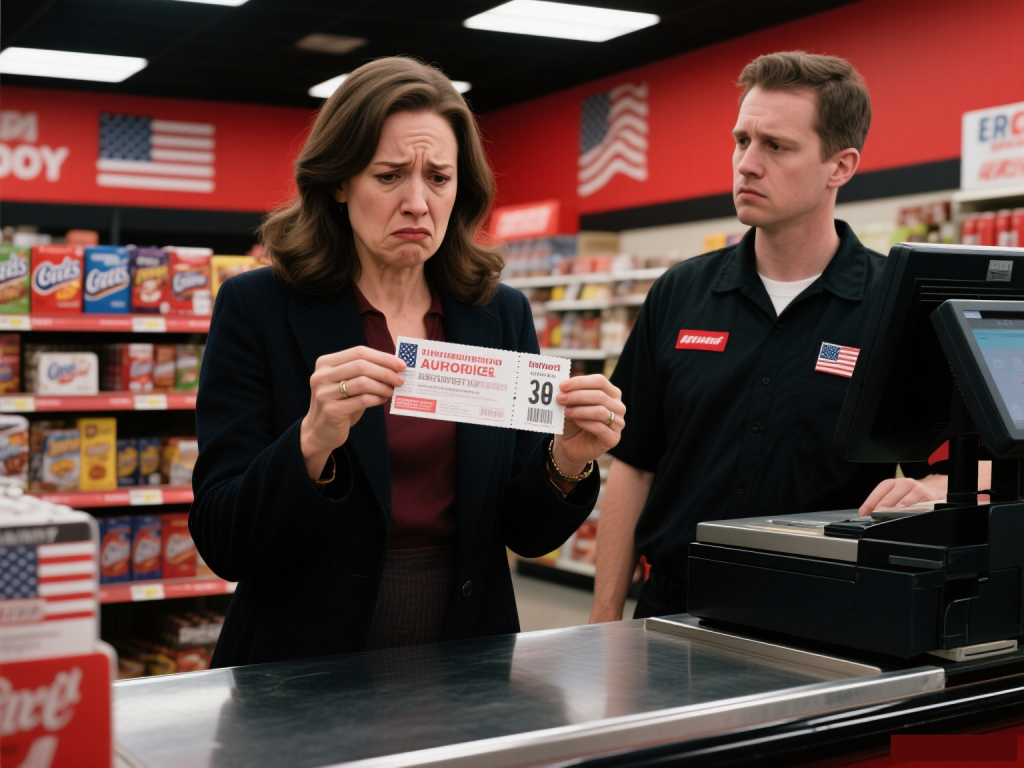
Mistake #4: Overbuying Just to “Use the Coupon”
The Problem
“I have a $5 off $25 coupon—let’s buy more snacks!” Sound familiar? This is the #1 mistake that turns “savings” into “waste.” A 2023 Consumer Reports study found that 39% of shoppers spend more than they planned because of coupon pressure.
A Painful Example
My neighbor once bought 10 boxes of cereal (she only eats oatmeal!) because she had a “$10 off $40” coupon. She ended up donating 8 boxes—wasting $20 on food she didn’t need.
How to Fix It
- Stick to your list: If the coupon requires a purchase you don’t need, skip it.
- Calculate “per unit” cost: A $5 off $25 coupon on 10 items is $0.50 per item—if you only need 5, it’s $1 per item. Is that still a good deal?
- Ask: “Would I buy this without the coupon?” If the answer is no, put it back.
Rule of Thumb: I never use a coupon for something I wouldn’t buy at full price. It keeps my pantry (and wallet) clutter-free.
Mistake #5: Not Checking for Digital Coupon Updates
The Problem
Paper coupons are great, but digital coupons are dynamic—they can be added, removed, or updated at any time. I once missed a $20 off $100 coupon at Best Buy because I didn’t check the app the morning of my purchase (it was added at 6 AM!).
The Data
RetailMeNot reports that 72% of digital coupons are used within 24 hours of being added. If you’re not checking daily, you’re missing out.
How to Fix It
- Set app alerts: Most retailer apps (Target, Walmart, Kohl’s) let you enable push notifications for new coupons.
- Use a “coupon aggregator”: Sites like CouponMega update our deals page every 15 minutes—we do the hunting so you don’t have to.
- Check before checkout: Even if you planned your trip, open the app one last time—you never know what’s new.
My Morning Routine: I spend 5 minutes scrolling CouponMega’s “Today’s Top Deals” before getting dressed. It’s saved me $100+ this year.
Mistake #6: Ignoring Reward Program Ties
The Problem
Many coupons are linked to reward programs—if you’re not signed up, you can’t use them. For example, Target’s “Circle” program offers exclusive coupons that non-members can’t access.
The Data
Forrester Research found that reward program members save 18% more than non-members—all because they take advantage of linked coupons.
How to Fix It
- Sign up for all relevant programs: It takes 2 minutes and is free.
- Link your accounts: Many apps (like Ibotta) let you link your store loyalty cards to auto-apply coupons.
- Check reward balances before shopping: Some programs let you redeem points and use coupons—double dip!
My Hack: I have a “rewards” folder in my email where I save all program updates. It’s helped me redeem $200+ in points this year.
Mistake #7: Using Coupons on Expensive Brands (When Generics Are Cheaper)
The Problem
“I have a $1 coupon for Brand X—let’s buy it!” But what if the generic is $1.50 cheaper without a coupon? This is a classic “coupon trap.”
The Math
Brand X cereal: $4.99 + $1 coupon = $3.99
Generic cereal: $2.49 (no coupon needed)
Savings: $1.50 more with the generic.
How to Fix It
- Compare unit prices: Use the “per ounce” or “per piece” label on the shelf.
- Check for generic coupons: Many stores offer coupons for their own brands (e.g., Walmart’s Great Value).
- Ask: “Is the brand worth the extra cost?” If not, go generic.
My Rule: I only use brand coupons if the total cost is less than the generic. It’s saved me hundreds on groceries.
Mistake #8: Forgetting to Submit Rebates (Free Money You’re Leaving Behind)
The Problem
Rebates are like coupons you use after buying—but 60% of shoppers forget to submit them, according to RebateKey. That’s free money sitting in your inbox!
A Real Example
My sister bought a new blender for $80 and got a $20 rebate. She forgot to submit it—until I reminded her 3 months later. She got the $20, but she could have used it to buy groceries that week.
How to Fix It
- Submit rebates immediately: Take a photo of your receipt and submit it as soon as you get home.
- Use a rebate tracker: Apps like Fetch Rewards auto-scan receipts and alert you to available rebates.
- Set a reminder: If the rebate takes time to process, add a note to your calendar.
My Trick: I keep a “rebate” folder in my photos—every time I buy something with a rebate, I add the receipt there. It’s foolproof.
Mistake #9: Not Checking for Coupon Exclusions on Clearance
The Problem
Clearance items are already cheap—so why not use a coupon? Because many coupons exclude clearance. I once tried to use a “$5 off $25” coupon on clearance clothes at Old Navy—only to find out it didn’t apply. I lost $5 in savings.
The Data
Retail Dive reports that 47% of clearance items are excluded from coupons. Always check the fine print!
How to Fix It
- Look for “clearance-friendly” coupons: Some coupons explicitly say “valid on clearance” (we highlight these on CouponMega).
- Ask a sales associate: If you’re unsure, ask—they can tell you if the coupon applies.
- Use store credit: If you can’t use a coupon, use store credit (from returns) to save instead.
Pro Tip: I love shopping clearance at Kohl’s—they often let you use coupons on clearance items. It’s my go-to for holiday gifts!
Mistake #10: Giving Up After One Rejection
The Problem
You try to use a coupon, and the cashier says no. You leave feeling defeated—without asking why. But 30% of coupon rejections are due to cashier error, according to Coupon Chief.
My Favorite Story
Last year, I tried to use a “$10 off $50” coupon at Target. The cashier said it was expired—but I knew it wasn’t (I’d checked that morning). I asked to speak to a manager, who scanned it and saw it was valid. I saved $10—all because I didn’t give up.
How to Fix It
- Be polite: Cashiers are busy—kindness goes a long way.
- Ask for a manager: If the cashier says no, ask to speak to someone who can override it.
- Have proof: Keep a screenshot of the coupon (with the expiration date) on your phone.
My Mantra: “The worst they can say is no—but they might say yes.” It’s worked for me 8/10 times.
The Ultimate “Avoid Coupon Mistakes” Checklist
To make this easy, I created a free checklist you can download (and print!) to take with you shopping. It includes:
✅ Check expiration dates
✅ Read fine print
✅ Stack coupons
✅ Stick to your list
✅ Check digital updates
✅ Link reward programs
✅ Compare generic vs. brand
✅ Submit rebates
✅ Check clearance exclusions
✅ Don’t give up!
Download Your Free Checklist Here

Final Thoughts: Couponing Is a Skill—Not a Hack
Couponing isn’t about “getting lucky”—it’s about avoiding mistakes that cost you money. I’ve made every mistake on this list (and then some), but I’ve learned to turn them into habits that save me $500+ per month.
The key? Be intentional. Don’t just clip coupons—understand them. Use tools like CouponMega’s Savings Tracker to stay organized, and never be afraid to ask questions.
What’s the biggest coupon mistake you’ve ever made? Let me know in the comments—I’d love to help you fix it!
— Erick Miller, Couponing Strategist at CouponMega
P.S. If you want to stay ahead of the latest coupon trends (and avoid mistakes), sign up for our weekly newsletter—we send exclusive tips and deals straight to your inbox!
We write rarely, but only the best content.
