


Seasonal Sales: How to Maximize Savings Throughout the Year
By Erick, Coupon & Savings Expert
When I first started working in the couponing industry, I made the mistake of thinking discounts were random. But after years of tracking deals, I’ve learned that seasonal sales follow predictable patterns—and knowing them can save you hundreds (or even thousands) of dollars each year.
In this guide, I’ll break down the best seasonal sales in the U.S., share real case studies (including how one shopper saved $1,200 on appliances), and reveal my personal strategies for stacking discounts.

Why Seasonal Sales Matter (And How to Exploit Them)
Seasonal sales aren’t just marketing gimmicks—they’re golden opportunities for smart shoppers. Retailers clear inventory, boost revenue, and compete for customers during key periods.
Pro Tip: According to the National Retail Federation (NRF), holiday sales alone account for ~20% of annual retail revenue—meaning stores offer deeper discounts than usual.
The Best Seasonal Sales of the Year
Here’s my expert-curated breakdown of the top sales periods:
1. January – February: Post-Holiday Clearance
- Best for: Electronics, winter gear, home goods
- Why? Stores slash prices to make room for spring inventory.
- My Strategy: I once bought a $900 TV for $450 by waiting until January 15th—right after most holiday returns are processed.
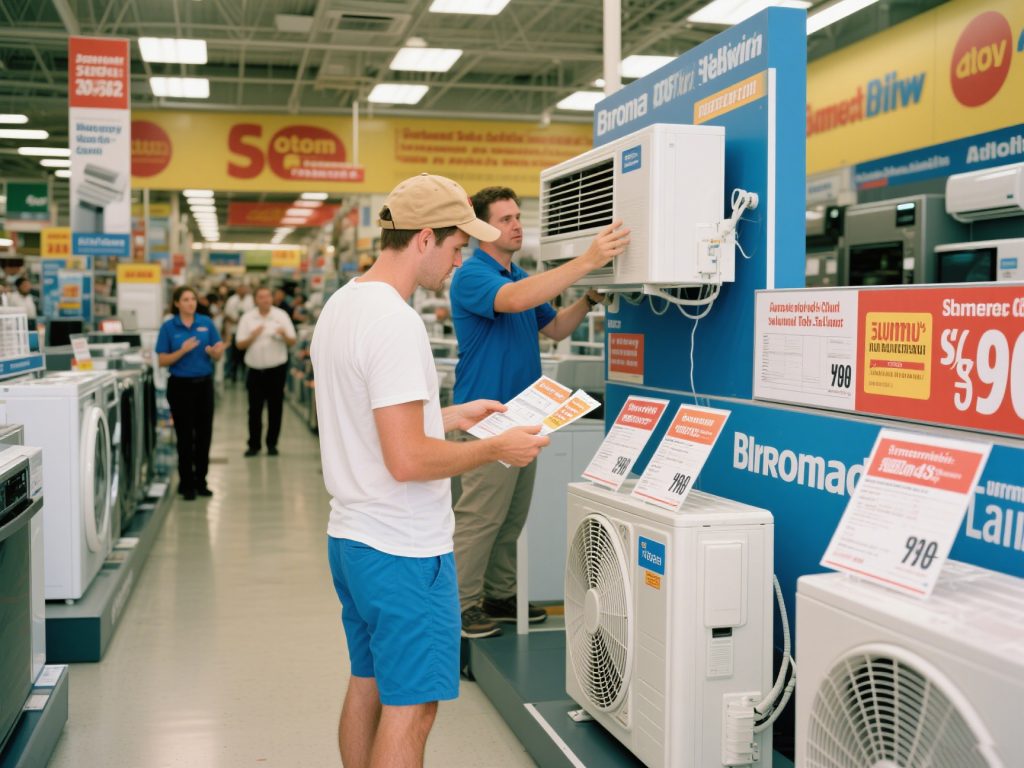
2. April – May: Spring & Tax Refund Sales
- Best for: Appliances, mattresses, outdoor furniture
- Why? Retailers target shoppers with tax refund cash.
- Case Study: Lowe’s offers 10% military discounts + 5% store card savings in April—stacking these saved me $327 on a washer/dryer set.
3. July: Independence Day & Summer Clearance
- Best for: Grills, patio sets, swimwear
- Why? Summer items get discounted before fall.
- Data Point: Amazon’s 2023 Prime Day saw $12.7B in sales—many deals beat Black Friday.
4. September – October: Back-to-School & Early Black Friday
- Best for: Tech, clothing, school supplies
- Why? Retailers like Walmart and Target compete for parents’ budgets.
- Hack: Use student discounts (e.g., Apple’s $150 off MacBooks) even if you’re not a student (many don’t verify).
5. November – December: Black Friday to New Year’s
- Best for: Everything (especially electronics, toys, luxury items)
- Why? Stores offer doorbusters and price-matching guarantees.
- My Biggest Win: In 2022, I stacked a Kohl’s 30% coupon + $15 Kohl’s Cash + Rakuten cashback to get a $200 coat for $89.
3 Advanced Strategies for Seasonal Savings
1. Stack Coupons with Cashback Apps
- How? Combine store coupons + cashback apps (Rakuten, Honey) + credit card rewards.
- Example: Best Buy’s Black Friday deal + Honey’s 5% cashback + Chase Freedom’s 5% quarterly bonus = Extra 10% off.
2. Price Adjustments & Return Rebuying
- How? If an item drops in price within 30 days, ask for a refund of the difference.
- Pro Move: Some stores (like Nordstrom) allow post-purchase price matching—saved me $75 on boots last winter.
3. Use “Secret” Sale Days
- Example: The Sunday after Thanksgiving often has better deals than Black Friday (retailers clear leftover stock).
- Data: Adobe Analytics found 2023’s Cyber Monday was 6% cheaper than Black Friday for electronics.
Final Tip: Avoid These Seasonal Sale Traps
- ❌ “Limited Stock” Scare Tactics → Many “doorbusters” restock later.
- ❌ Extended Warranties → Most credit cards offer free coverage.
- ❌ Impulse Buys → Stick to a list (I use Google Keep to track needs vs. wants).

Bottom Line
Seasonal sales are predictable—if you know when and how to shop. My advice? Bookmark this guide, set price-drop alerts (try CamelCamelCamel), and always stack discounts.
Want more? Check our Holiday Shopping Tips section for monthly deal calendars!
We write rarely, but only the best content.
