

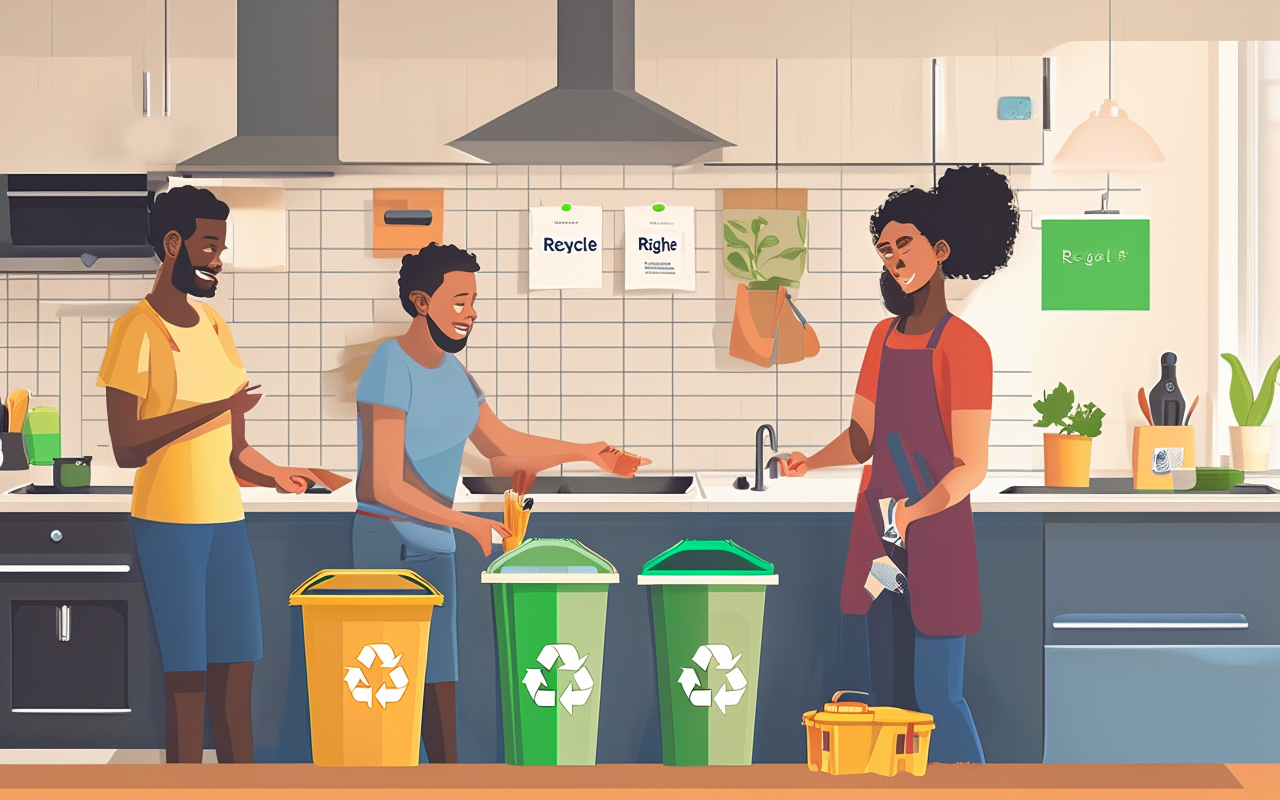
Recycled Materials: Where Sustainability Meets Innovation
Recycled materials are transforming industries and lifestyles by merging environmental responsibility with creative solutions. This blog explores their environmental benefits, economic value, innovative applications, and actionable steps to embrace recycling. Discover how repurposing waste can drive a greener future—and why you should join the movement.
Why Recycled Materials Matter for the Planet
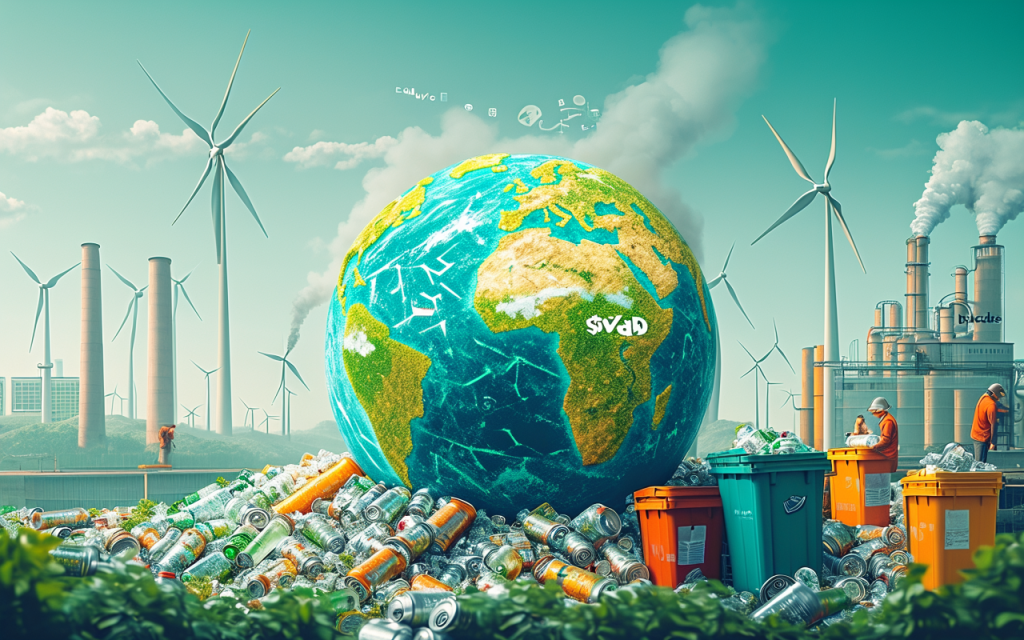
Recycled materials reduce the need for virgin resources, cutting energy consumption and greenhouse gas emissions. For example, recycling aluminum saves 95% of the energy required to produce it from raw ore. They also divert waste from landfills, which are nearing capacity in many U.S. states. By choosing recycled products, consumers directly combat pollution and resource depletion.
The Economic Power of Recycling
Beyond environmental gains, recycling fuels economic growth. The U.S. recycling industry employs over 500,000 workers and generates $117 billion annually. Companies like TerraCycle and Patagonia have built profitable models around upcycling waste into premium products. Even small acts, like recycling household items, contribute to a circular economy that saves money and creates jobs.
Innovative Uses of Recycled Materials
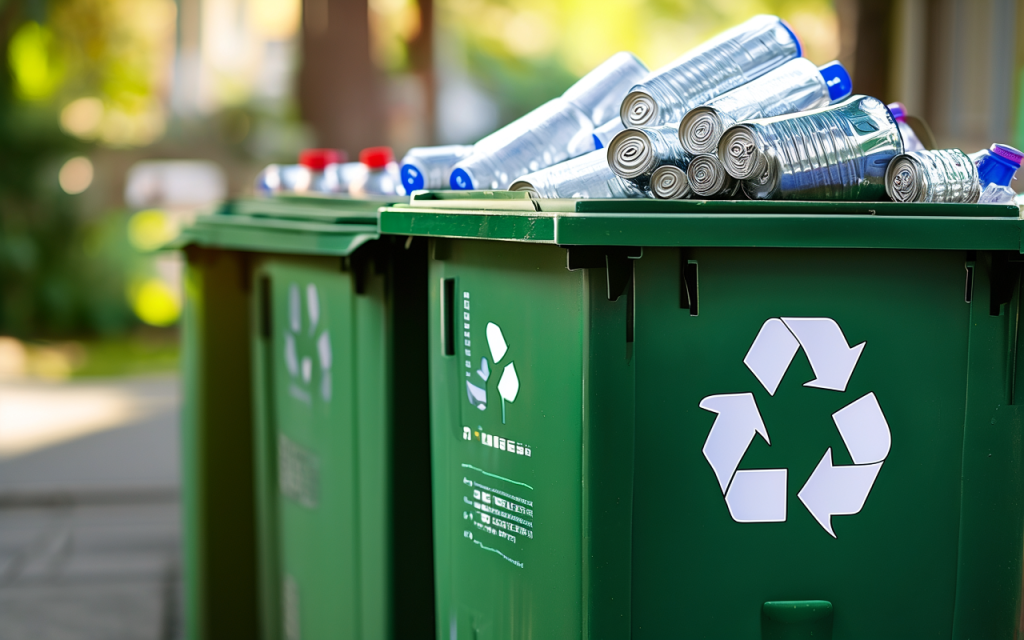
From fashion to construction, recycled materials are sparking breakthroughs. Adidas’s Ocean Plastic sneakers, made from intercepted marine waste, have sold millions of pairs. In architecture, recycled steel and reclaimed wood are now staples for eco-conscious builders. Even everyday items like notebooks (from agricultural waste) and furniture (from plastic bottles) prove that “trash” can be transformative.

Overcoming Challenges in Recycling
While recycling offers immense potential, challenges like contamination and inefficient sorting persist. Nearly 25% of U.S. recycling bins contain non-recyclable items, undermining efforts. Solutions include better consumer education, AI-powered sorting systems, and policies like Extended Producer Responsibility (EPR) laws. Brands are also simplifying packaging—think Apple’s 100% recycled iPhone enclosures—to streamline recycling.
How You Can Make a Difference
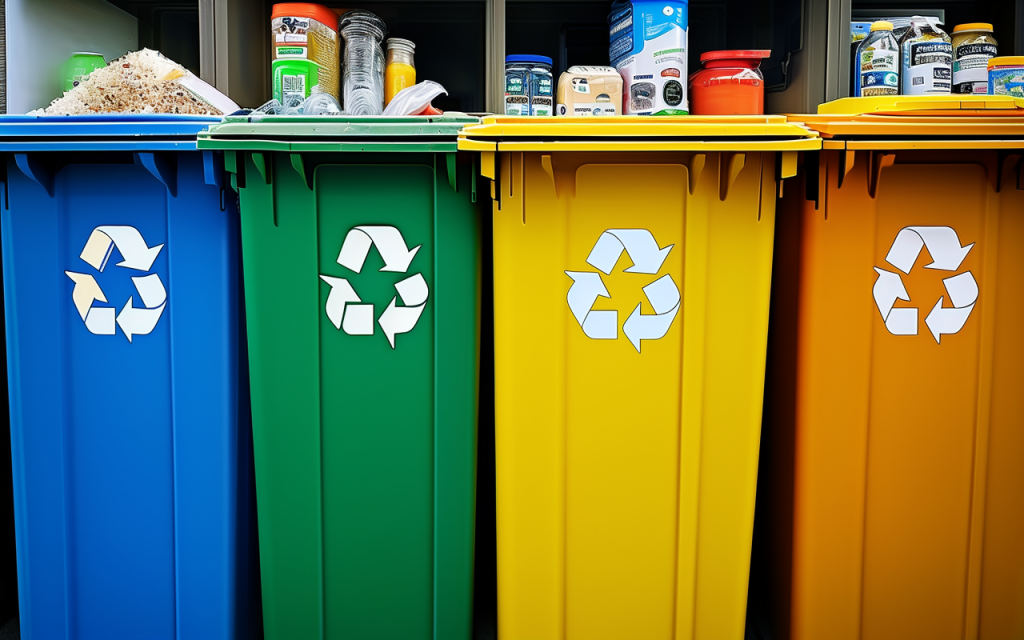
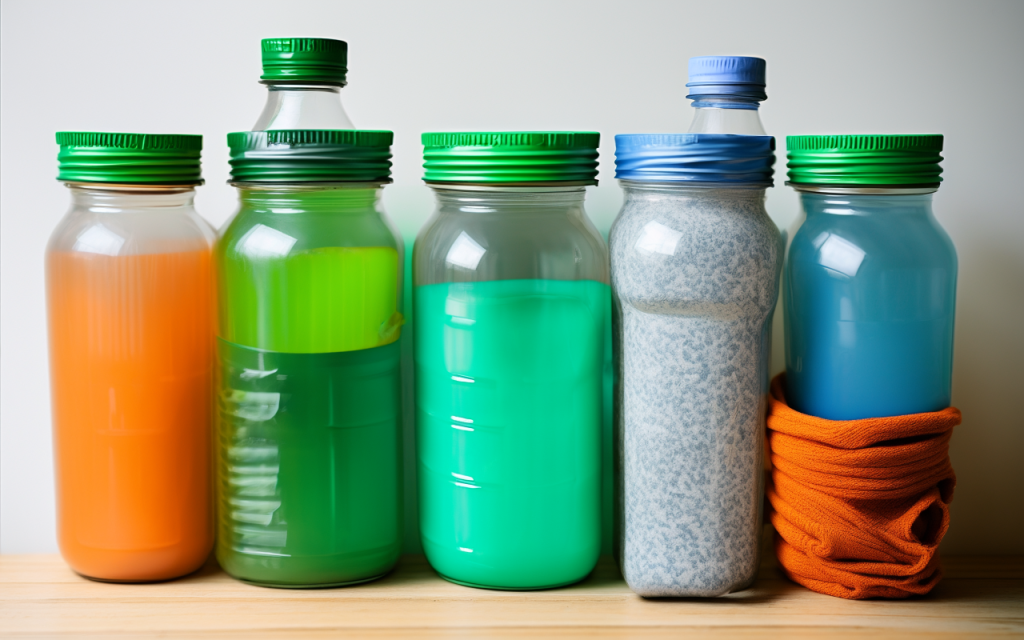
Start by auditing your waste: Recycle paper, glass, and plastics correctly (check local guidelines!). Support brands using recycled materials, like Rothy’s shoes or ECONYL swimwear. Advocate for community recycling programs or try DIY upcycling projects—turn jars into storage containers or old clothes into rags. Small steps add up to significant impact.
We write rarely, but only the best content.
