

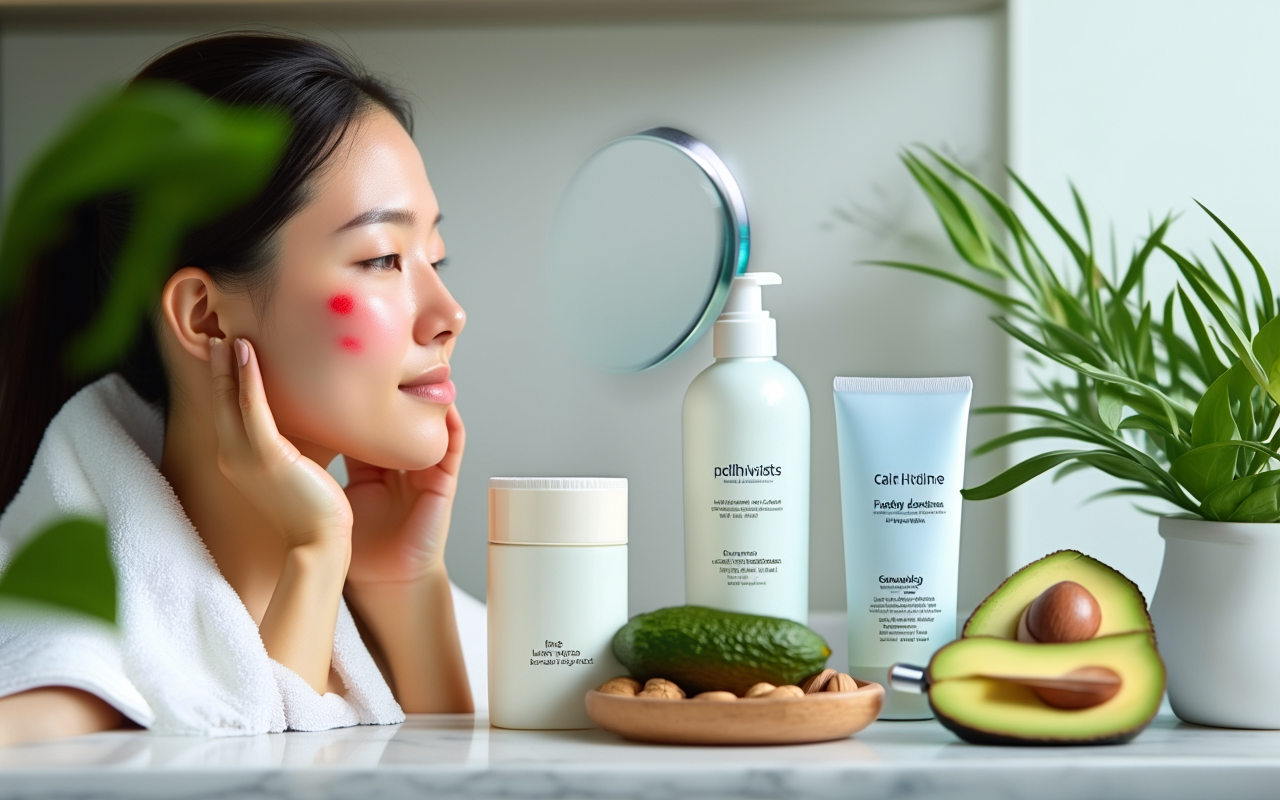
The Ultimate Guide to Daily Care and Skincare Tips for Sensitive Skin
Sensitive skin requires extra attention, especially in today’s fast-paced world filled with environmental stressors. This guide breaks down five essential steps to calm irritation, strengthen your skin barrier, and maintain a healthy glow—tailored for the unique challenges faced by U.S. consumers.
Understanding Sensitive Skin
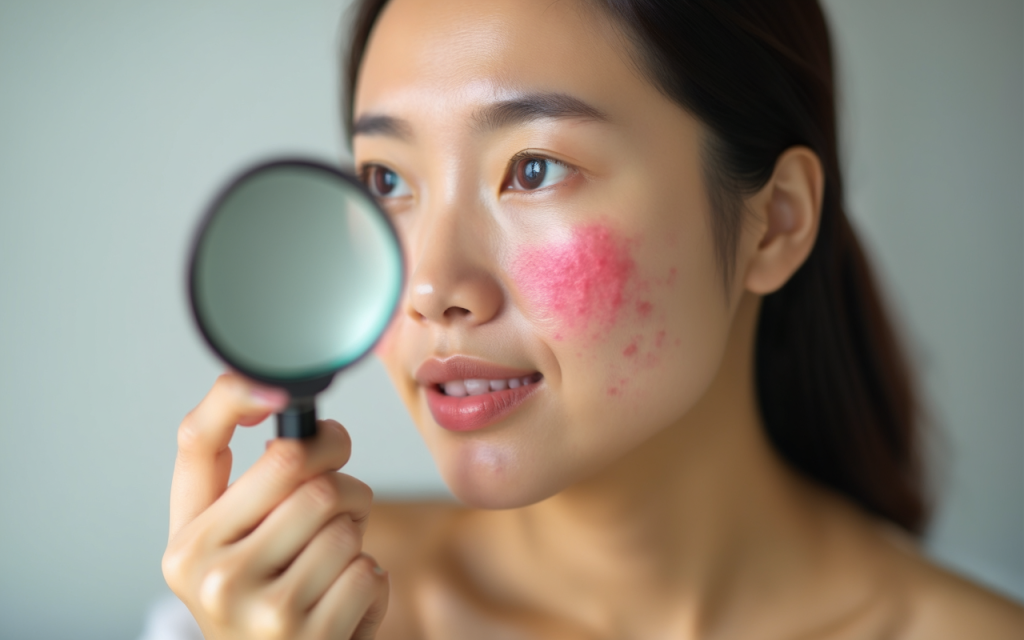
Sensitive skin occurs when a weakened skin barrier overreacts to triggers like pollution, weather changes, or harsh products. Common symptoms include redness, itching, dryness, and stinging. Identifying your triggers is the first step toward effective care. In the U.S., factors like hard water, extreme temperatures, and stress often exacerbate sensitivity.
Daily Skincare Essentials
- Gentle Cleansing: Use lukewarm water and fragrance-free, soap-free cleansers. Avoid alcohol-based formulas.
- Hydration Boost: Look for hyaluronic acid or ceramides to lock in moisture without clogging pores.
- Sun Protection: Mineral sunscreens with zinc oxide are less irritating than chemical options. Reapply every 2 hours outdoors.
- Avoid Over-Cleansing: Limit washing to twice daily and skip physical exfoliants—opt for enzymatic exfoliators once weekly.
- Barrier Repair: Nighttime is ideal for creams containing squalane or centella asiatica to heal damaged skin.

Lifestyle Adjustments for Resilient Skin
Diet and stress directly impact sensitivity. Reduce spicy foods, alcohol, and sugar; prioritize omega-3-rich foods like salmon and walnuts. Sleep 7–8 hours nightly to allow skin regeneration, and practice mindfulness to minimize stress-induced flare-ups. Light exercise, like yoga, improves circulation without triggering sweat-related irritation.

Smart Product Choices
Simplify your routine: a pH-balanced cleanser, moisturizer, and sunscreen are non-negotiable. Always patch-test new products for 48 hours. Avoid “active” ingredients (retinoids, AHAs) during flare-ups. For makeup, choose non-comedogenic, mineral-based formulas.
When to Seek Professional Help
Persistent redness or burning may indicate conditions like rosacea or eczema. Consult a dermatologist for personalized treatments, such as prescription creams or laser therapy. Track symptoms in a journal to identify patterns.

We write rarely, but only the best content.
