

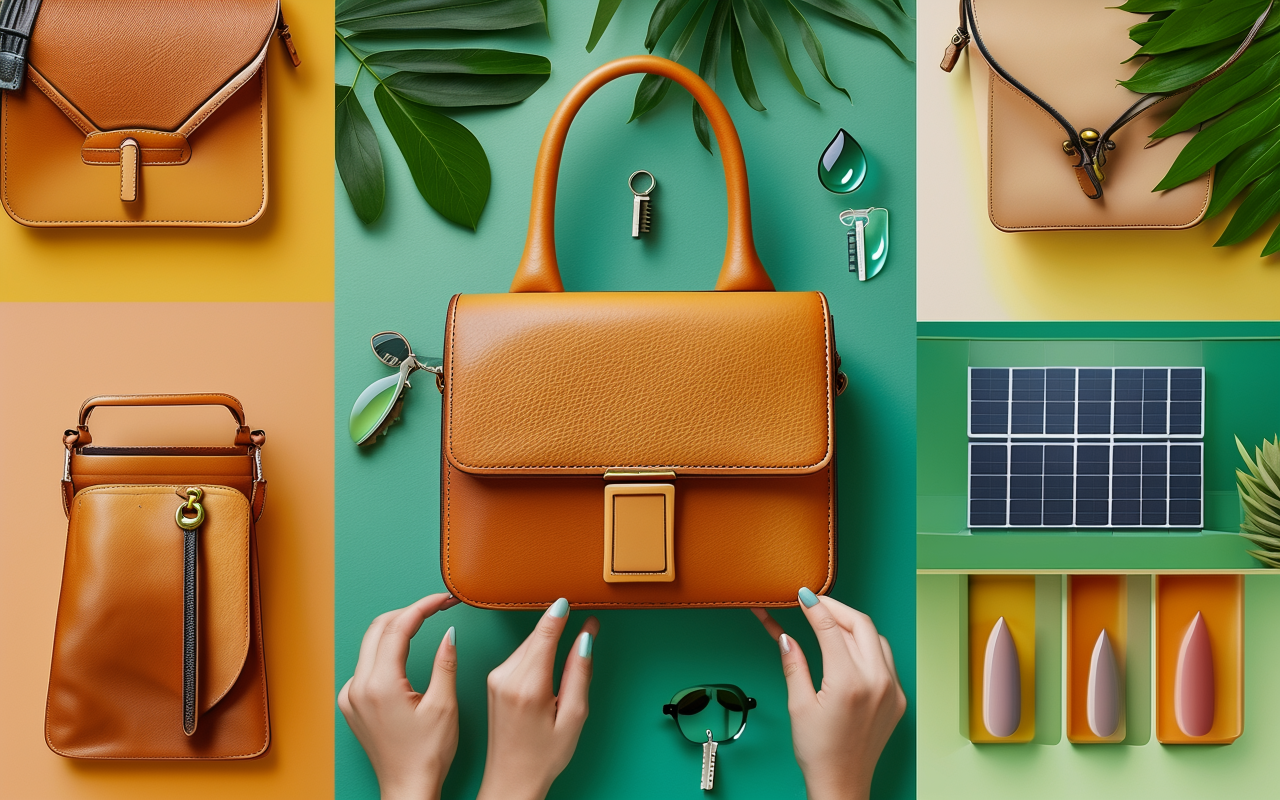
Exploring Vegan Leather Bags: Features, Materials, and Eco-Friendly Benefits
Abstract:
As sustainability becomes a priority for conscious consumers, vegan leather bags are emerging as a stylish and ethical alternative to traditional leather. This blog dives into the key characteristics, popular material types, and environmental benefits of vegan leather bags, empowering you to make eco-friendly fashion choices without compromising on quality or style.
Body:
What Is Vegan Leather?
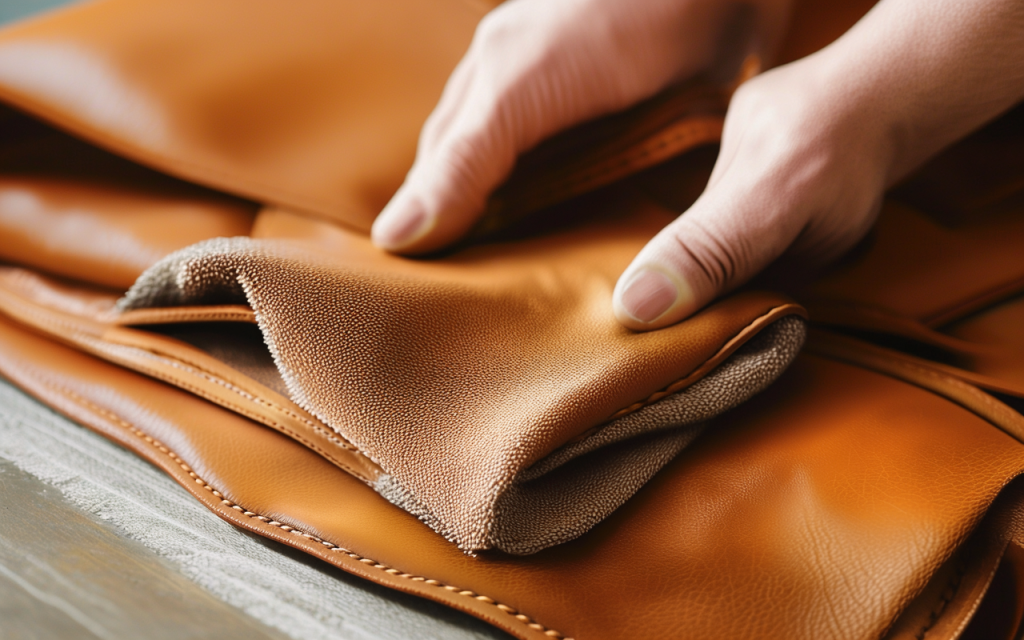
Vegan leather, also known as faux leather, is a cruelty-free material designed to mimic the look and feel of animal-derived leather without using any animal products. It’s crafted from innovative synthetic or plant-based materials, aligning with ethical values and reducing environmental harm. Vegan leather bags cater to consumers who prioritize both fashion and sustainability, offering a guilt-free way to enjoy luxury accessories.
Key Features of Vegan Leather Bags
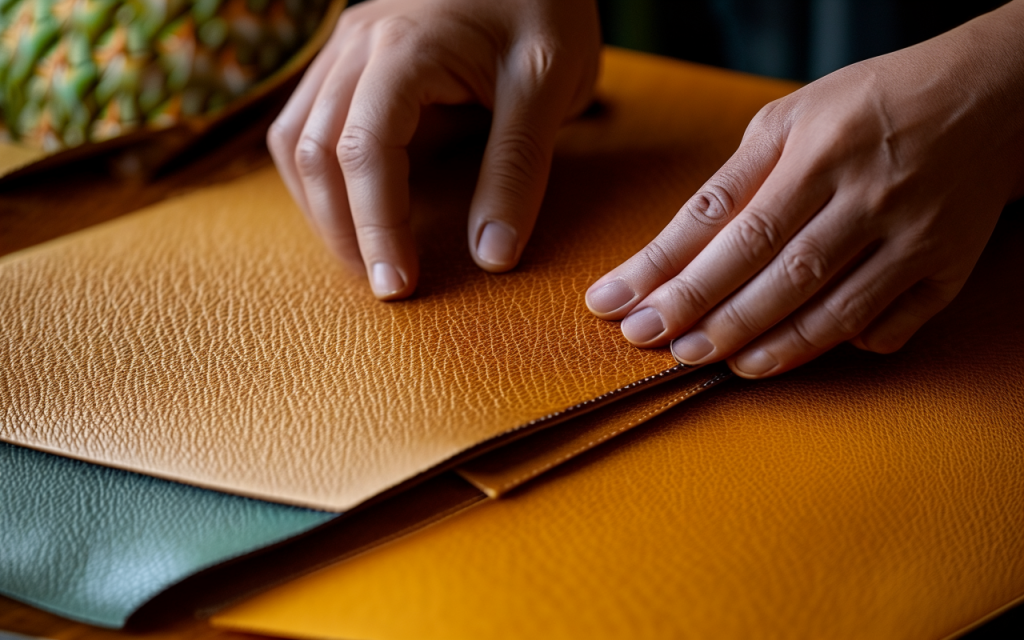
- Ethical Production: Vegan leather eliminates the need for animal exploitation, making it a compassionate choice.
- Durability: High-quality vegan leather resists wear and tear, often outperforming traditional leather in longevity.
- Lightweight & Comfortable: Many vegan leathers are lighter than animal leather, ensuring comfort for daily use.
- Versatile Designs: Available in countless colors, textures, and styles, vegan leather bags suit every aesthetic.
- Easy Maintenance: Most vegan leathers can be wiped clean with a damp cloth, simplifying upkeep.
Popular Types of Vegan Leather Materials
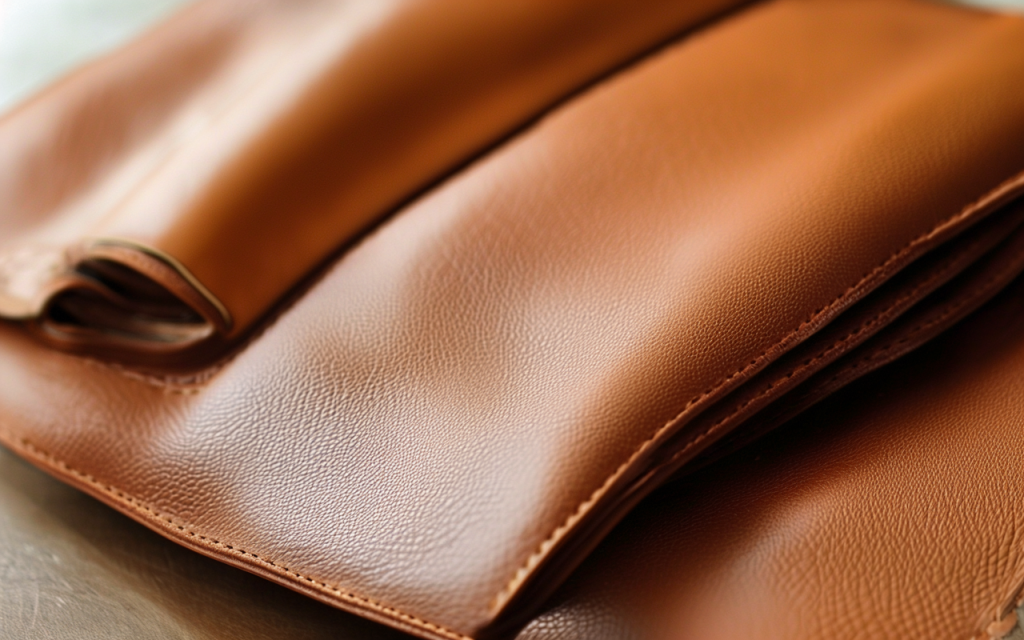
- PU Leather: A synthetic option known for its affordability, water resistance, and smooth finish.
- PVC Leather: Durable and glossy, but heavier and less eco-friendly due to its plastic content.
- Plant-Based Leathers: Innovations like Pinatex (made from pineapple leaves) and AppleSkin (from apple waste) offer biodegradable, breathable alternatives.
- Recycled Microfiber: Crafted from recycled plastics, this material mimics the softness of real leather while reducing waste.
Environmental Benefits of Choosing Vegan Leather
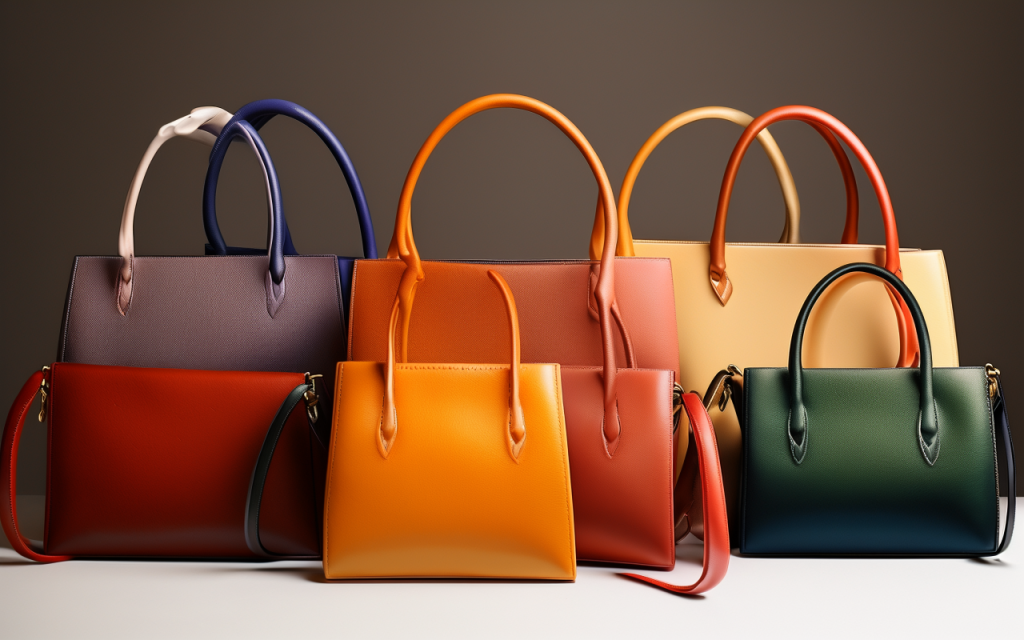
- Reduces Carbon Footprint: Vegan leather production typically generates fewer greenhouse gases than animal leather processing.
- Saves Water: Traditional leather tanning consumes vast amounts of water; vegan alternatives require far less.
- Minimizes Chemical Pollution: Animal leather tanning involves toxic chemicals like chromium, whereas many vegan leathers use safer processes.
- Promotes Circular Economy: Materials like recycled microfiber and plant-based leathers support waste reduction and resource efficiency.
How to Choose the Perfect Vegan Leather Bag
- Check Material Quality: Opt for certifications like PETA-Approved Vegan or OEKO-TEX for non-toxic materials.
- Prioritize Functionality: Consider size, compartments, and strap design based on your lifestyle.
- Research Brands: Support transparent companies like Matt & Nat or Stella McCartney, known for sustainable practices.
- Balance Aesthetics and Ethics: Look for timeless designs that align with your personal style and values.

This blog was created by couponmega.com. Share it to spread the word about vegan leather’s potential to revolutionize fashion!
We write rarely, but only the best content.
