

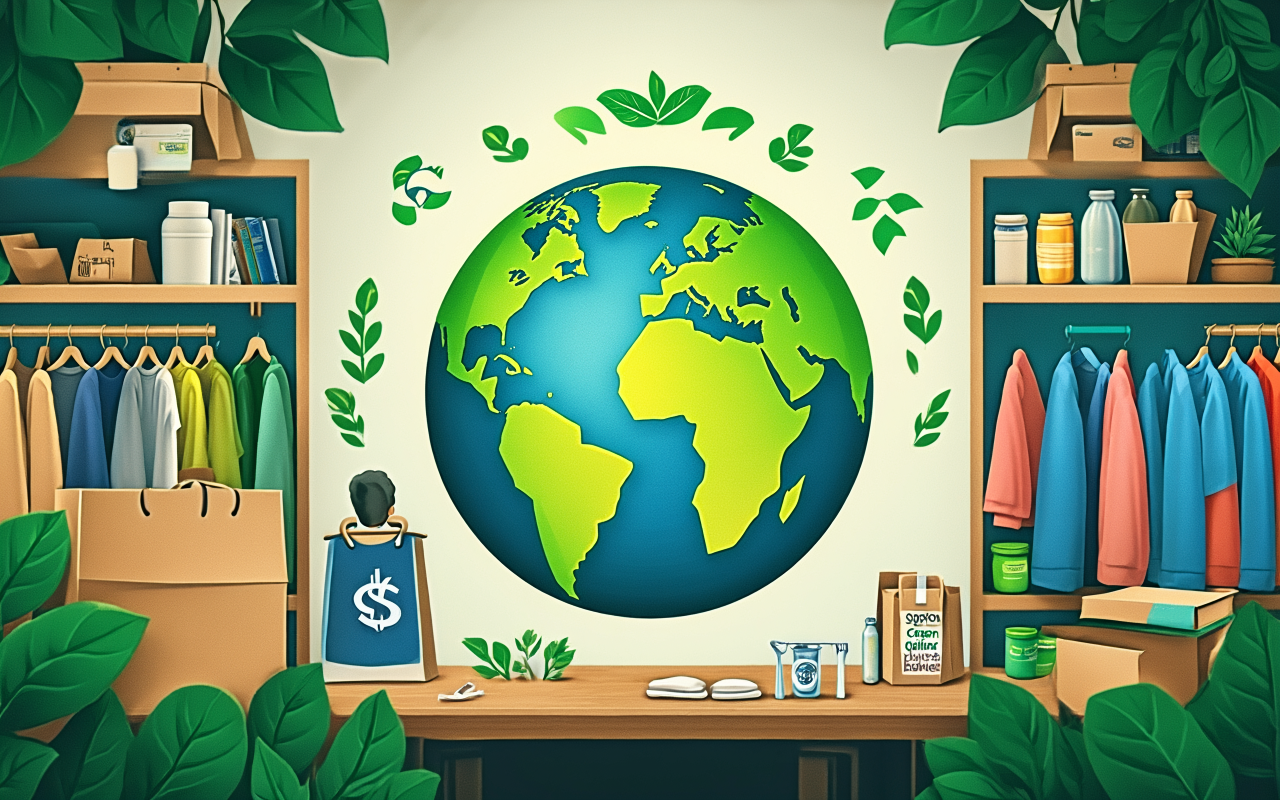
Sustainable Shopping: How to Save Money and Protect the Planet
Sustainable shopping isn’t just a trend—it’s a practical way to reduce waste, save money, and contribute to a healthier planet. By embracing secondhand purchases, recyclable packaging, and mindful consumer choices, you can make a meaningful impact. This blog explores five actionable strategies to shop sustainably while keeping your budget intact.
1. Why Secondhand Shopping is a Win-Win
Buying secondhand goods extends the lifespan of products, reducing the demand for new resources and lowering carbon emissions. Platforms like thrift stores, Facebook Marketplace, and eBay make it easy to find quality items at a fraction of their original cost. For sellers, decluttering unused items turns clutter into cash. Beyond economics, secondhand shopping fosters community connections by redistributing resources to those in need. Whether it’s clothing, furniture, or electronics, choosing pre-owned items is a simple yet powerful eco-friendly habit.

2. The Environmental Benefits of Recyclable Packaging
Opting for products with recyclable packaging significantly cuts down on waste. Traditional packaging, especially single-use plastics, often ends up in landfills or oceans, harming wildlife and ecosystems. Recyclable materials like cardboard, glass, and certain plastics can be repurposed multiple times, reducing the need for virgin materials. Brands increasingly use minimalist or biodegradable packaging—look for labels like “100% recyclable” or “compostable” to make eco-conscious choices. By supporting these practices, you help drive the shift toward a circular economy.

3. Prioritize Eco-Friendly and Reusable Products
Choose items made from sustainable materials such as bamboo, organic cotton, or recycled metals. Reusable products—like stainless steel water bottles, cloth grocery bags, and silicone food wraps—minimize reliance on disposable alternatives. These swaps not only reduce waste but also save money over time. For example, investing in a durable coffee cup avoids daily disposable cup purchases. Small changes add up, creating long-term environmental and financial benefits.

4. Energy Efficiency: Smart Choices for Your Home
Energy-efficient appliances and electronics, marked by Energy Star certifications, consume less power and lower utility bills. When upgrading devices, consider refurbished models to combine sustainability with savings. For instance, LED bulbs use 75% less energy than traditional incandescent ones. By prioritizing efficiency, you reduce your carbon footprint while cutting household expenses—a clear win for both your wallet and the planet.
5. Support Brands That Walk the Talk
Align your spending with companies committed to ethical practices. Research brands that prioritize carbon neutrality, fair labor practices, and sustainable sourcing. Patagonia, for example, repairs and recycles old gear, while Lush uses package-free products. By voting with your dollars, you encourage more businesses to adopt eco-friendly policies. Additionally, look for certifications like Fair Trade or B Corp to identify responsible brands.

We write rarely, but only the best content.
