


How to Tame Impulsive Spending: 5 Science-Backed Strategies to Take Control
Impulsive spending is a common financial pitfall, driven by emotions, social influences, and cognitive biases. This blog breaks down the psychology behind impulsive purchases and offers actionable tips—from budgeting to delayed gratification—to help you build healthier spending habits and protect your wallet.
The Psychology Behind Impulsive Spending
Impulsive spending often stems from emotional triggers and brain chemistry. When stressed or bored, shopping becomes a quick fix to boost mood. The brain releases dopamine during purchases, creating a temporary “high” that fuels cravings for more. Social pressures, like seeing friends or influencers flaunt new purchases, amplify this urge. Cognitive biases, such as believing a “50% off” deal saves money (even when it doesn’t), further cloud judgment. Recognizing these drivers is the first step to regaining control.

Why Instant Gratification Backfires
Impulse buys prioritize short-term pleasure over long-term goals. That $200 sneaker might feel exciting today, but it could derail savings for a vacation or emergency fund. Over time, unchecked spending leads to debt, clutter, and regret. By pausing to ask, “Do I need this, or just want it?” you shift focus from instant rewards to meaningful financial priorities.
Practical Tools to Curb Impulse Buys
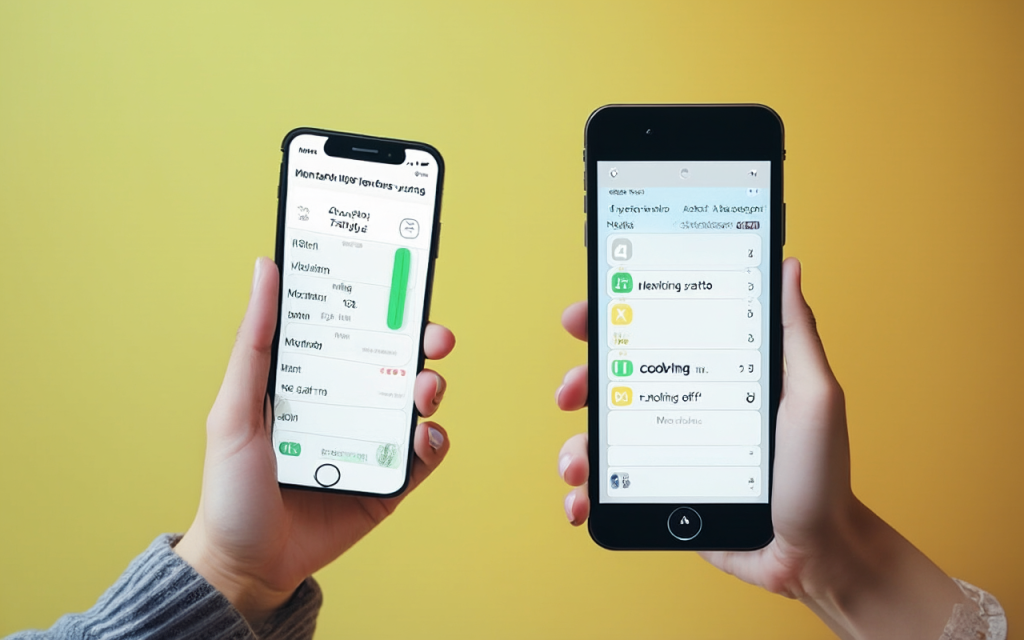
Start by tracking every purchase for a month—apps like Mint or YNAB simplify this. Create a realistic budget that allocates funds for fun while safeguarding essentials. Implement a 24-hour “cooling-off” rule: if you still want an item after a day, consider buying it. Unsubscribe from retail emails and delete shopping apps to reduce temptation. Reward yourself for sticking to goals—like a small treat for a month of disciplined spending.

Building Financial Self-Awareness
Understand your personal triggers. Do you overspend when lonely, anxious, or scrolling social media? Replace shopping with healthier coping mechanisms, like exercise or creative hobbies. Practice mindful spending by asking: “Will this add value to my life?” or “Could this money serve a bigger purpose?” Over time, these questions rewire impulsive habits into intentional choices.

Turning Setbacks into Progress
Slip-ups are normal. If you splurge, avoid guilt—reflect on what triggered the purchase and adjust your strategy. Enlist an accountability partner to review budgets together. Celebrate small wins, like resisting a sale or paying off a credit card. Remember, financial freedom isn’t about perfection; it’s about progress and learning to align spending with your values.
We write rarely, but only the best content.
