

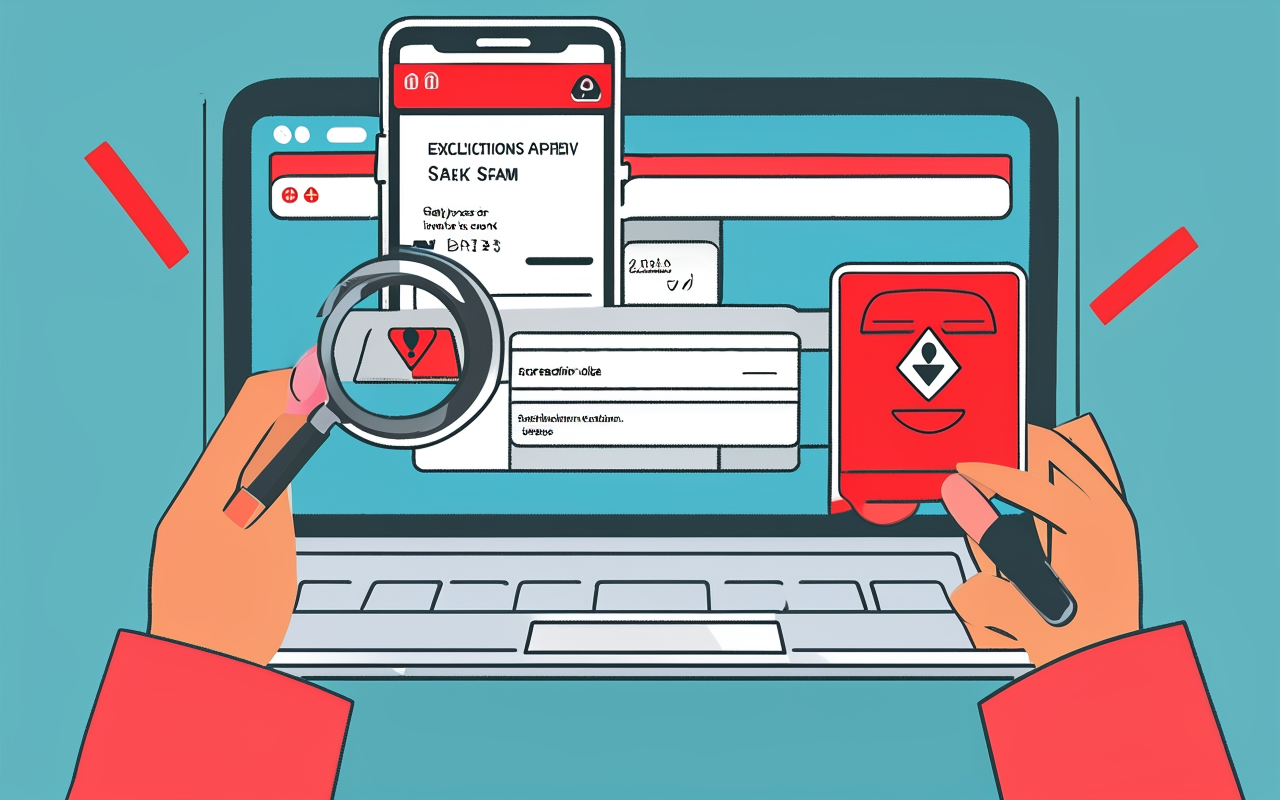
How to Spot Fake Coupons and Avoid Shopping Scams Online
In today’s digital shopping landscape, fake coupons and deceptive promotions are rampant. This blog outlines practical tips to help U.S. consumers identify scams, verify legitimacy, and protect themselves while enjoying online deals.
1. Verify Coupon Sources and Seller Reputation
Always check the origin of a coupon. Legitimate promotions from trusted retailers like Amazon, Walmart, or Target will clearly display expiration dates, terms, and conditions. Avoid coupons shared via unsolicited emails or shady social media links. Additionally, research the seller’s reputation by reading customer reviews, checking ratings on platforms like Trustpilot, and confirming their contact information. If a deal seems too good to be true from an unknown seller, it likely is.

2. Scrutinize Coupon Details and Avoid Unrealistic Offers
Before applying a coupon, review its details during checkout. Ensure the discount matches the promotion’s claims, and watch out for hidden fees or restrictions. Be wary of offers like “90% off” or “free luxury items,” which are common bait for scams. Fraudsters often use inflated discounts to lure shoppers into sharing payment details or downloading malware. Stick to reasonable discounts from reputable brands.
3. Use Official Channels and Secure Payment Methods
Only download coupons from official retailer apps, websites, or verified email newsletters. Avoid clicking suspicious third-party links, which may lead to phishing sites. When paying, use secure methods like PayPal, Apple Pay, or credit cards with fraud protection. Never transfer money directly to a seller or share sensitive data (e.g., Social Security numbers) for a “deal”—legitimate retailers won’t ask for this.
4. Learn Promotion Rules and Stay Alert
Read the fine print of sales events like Black Friday or Prime Day. Understand eligibility criteria, such as minimum purchase amounts or product exclusions. Scammers often mimic limited-time offers (e.g., “24-hour flash sale”) to pressure buyers. If a promotion lacks clear rules or uses urgent language, proceed with caution. Report suspicious listings to platforms like eBay or Etsy immediately.
5. Protect Your Data and Report Fraud
Guard personal information fiercely. Fake coupons may request unnecessary details like your phone number or address to exploit later. Use unique passwords for shopping accounts and enable two-factor authentication. If you encounter a scam, report it to the FTC, the retailer, and your bank. Quick action can prevent further damage and help authorities crack down on fraudsters.

We write rarely, but only the best content.
